In chapter 1, chapter 2 and Chapter 3 of this series of posts I showed photographs that do not lend themselves well to black and white conversion because they rely on colors and saturation for the separation of the main elements in the composition.
The point I wanted to make is that not all photographs will be improved by black and white conversion, and it helps the photographer to know which ones work and which ones don’t, if black and white is the goal. After all, who wants to waste a precious photography outing?
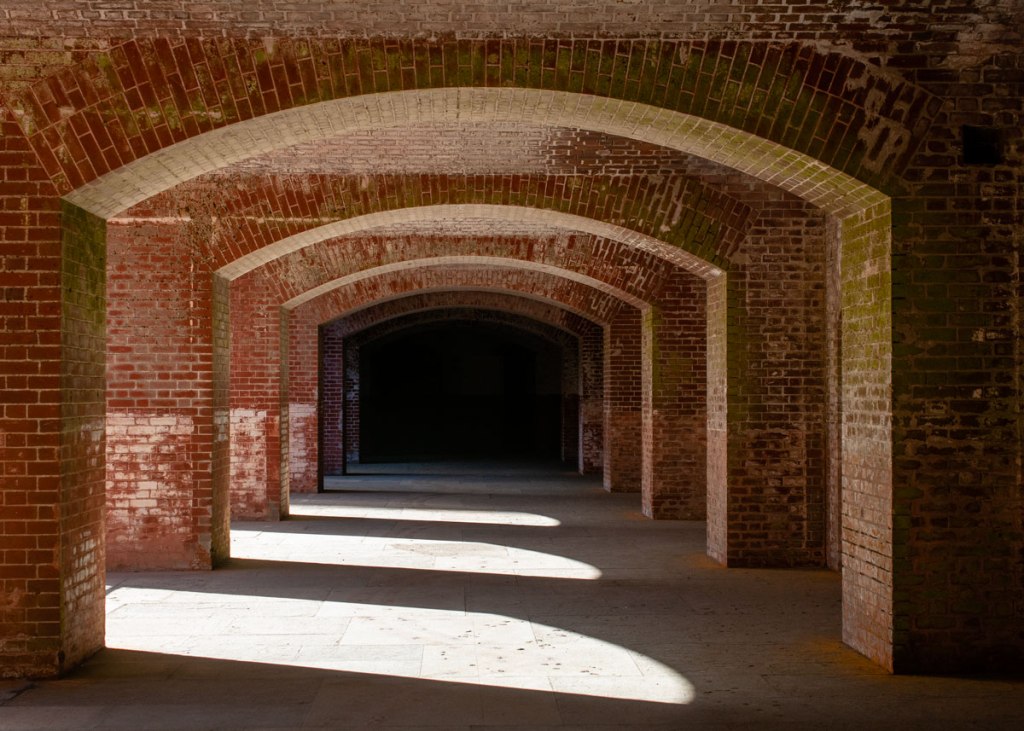
One desirable characteristic to look for in compositions meant for black and white conversion is high-contrast and deep shadows.
Although strong shadows is not really a characteristic of what I see as my “style”, I do have some older photos to show below. Uploading those images in color would not make sense to me, since I find the black and white versions more appealing.
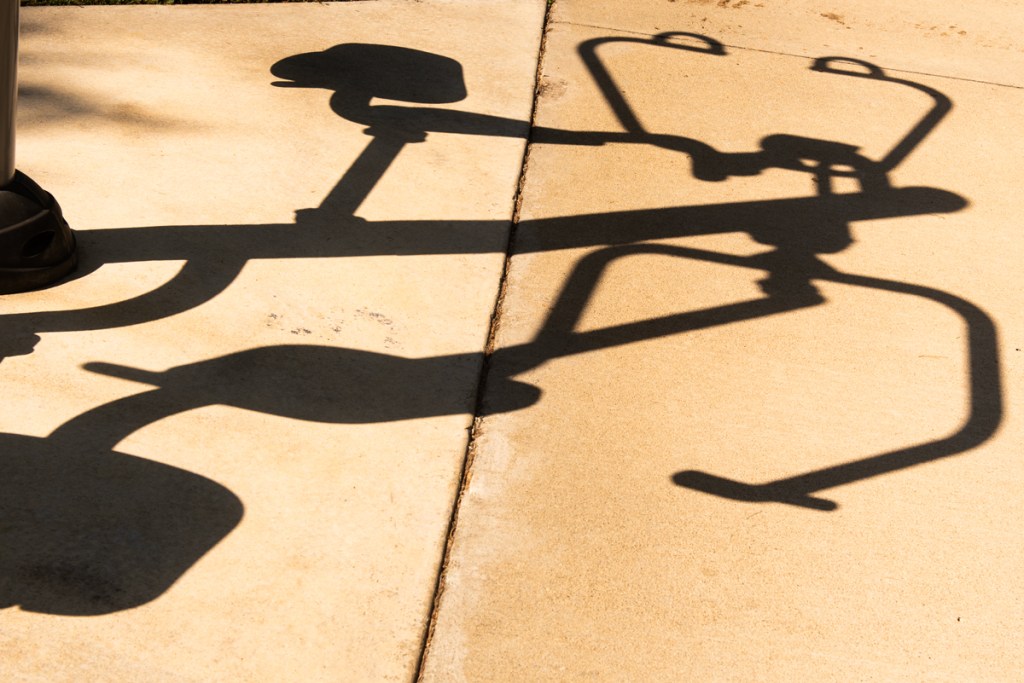
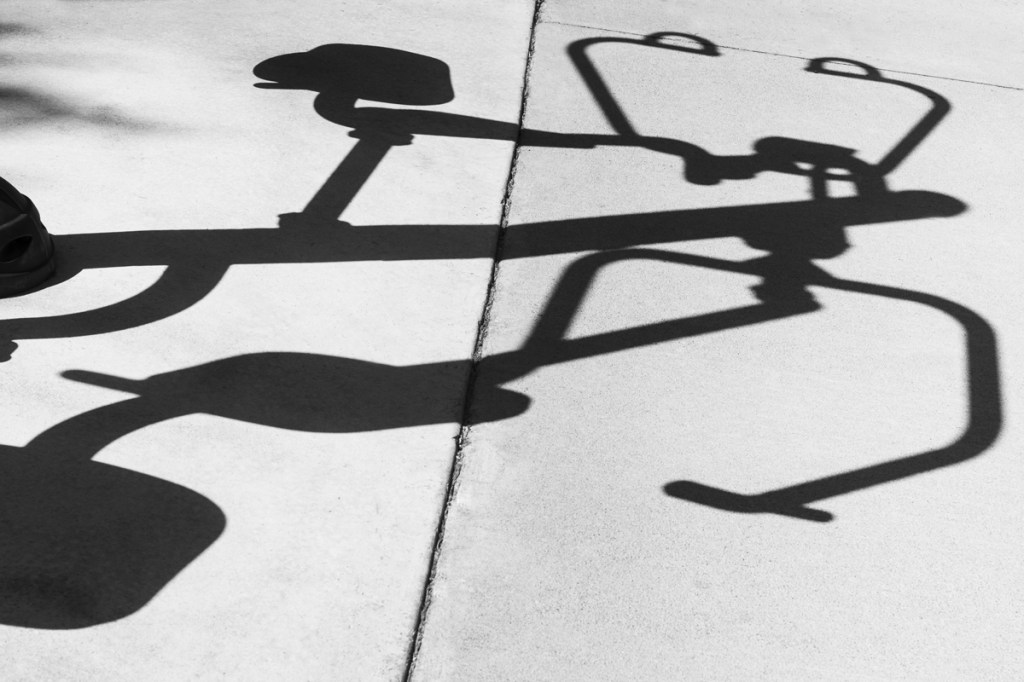
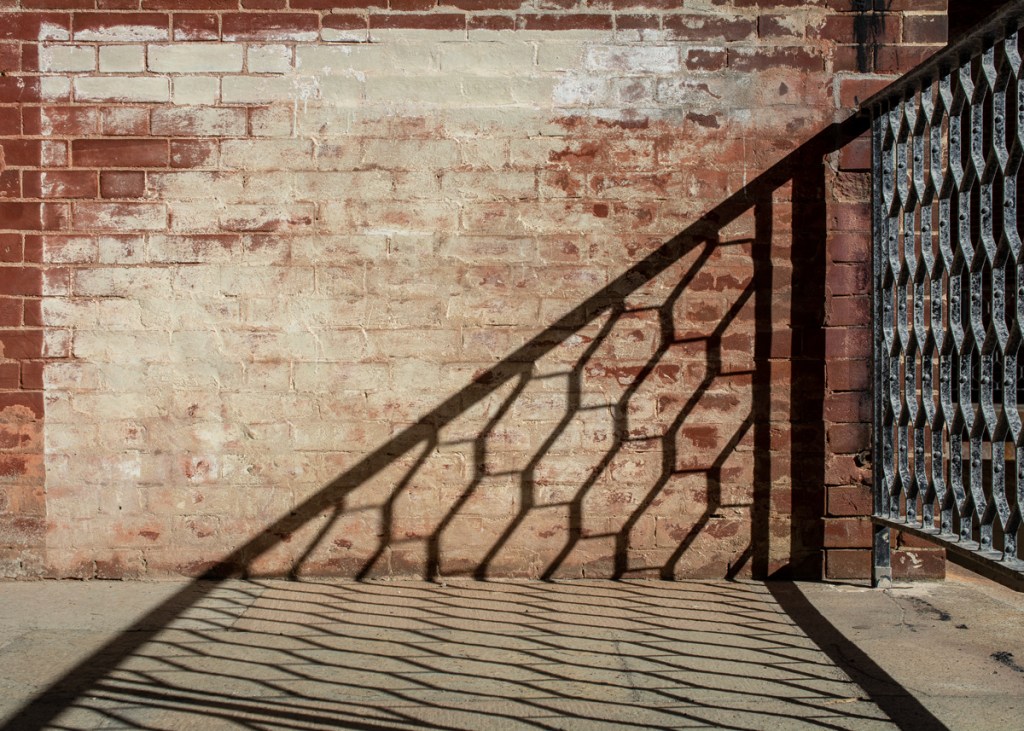
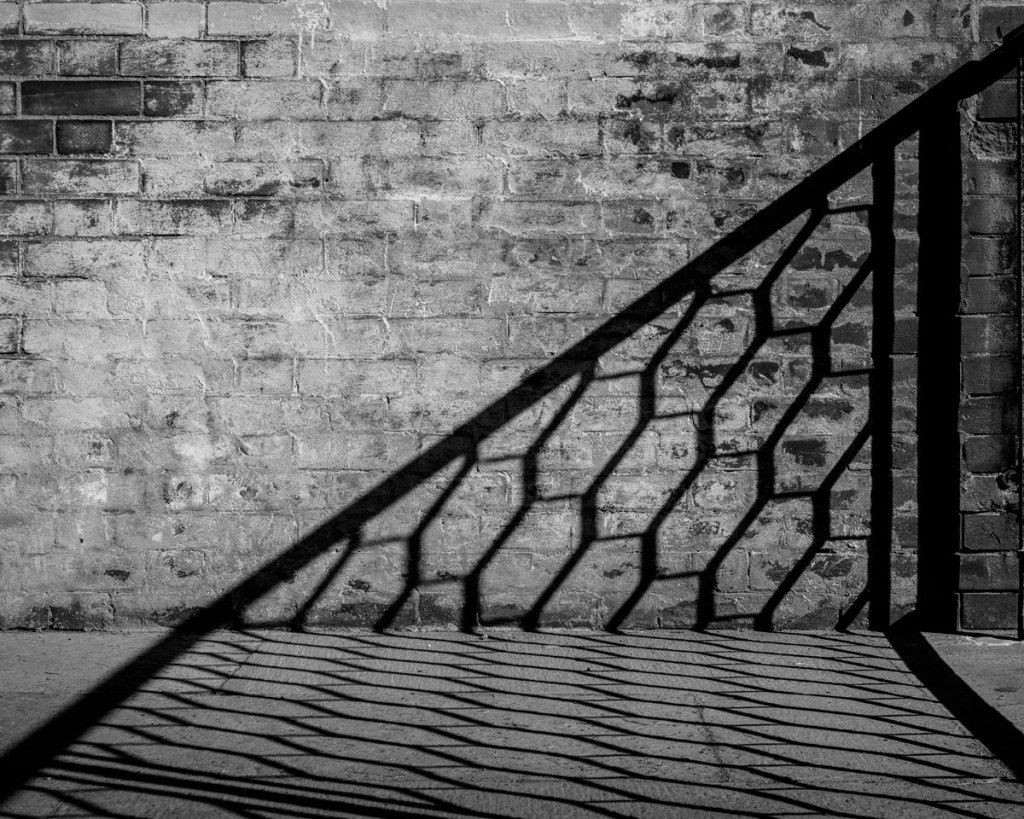

Question for my followers: besides the presence of high contrast between light and shadow, can you identify other elements in the above photographs that make them obvious candidates for black and white?
The FEATURED PHOTOGRAPH was taken at Fort Point, SF (40mm, f/8, 1/100s, ISO 400) in 2018. It was a nice chili and cloudly morning in San Francisco. A friend had failed taking long exposure shots of the ocean with the Golden Gate Bridge, the wind was fierce. Inside the fort was pleasant, shielded from the wind. Suddenly the sun came out and upon seeing these shadows, I took the photo. Tunnel vision, 2028, was featured at Gallery 625 in Woodland, CA, as part of the exhibit, Light Shadow, Reflection in 2020.
———————————————
________________________________


 It is all about the light
Leave a reply to Anne Sandler Cancel reply