
Introduction
Back in mid-October I had the opportunity to photograph the flower of the Datura (Solanacea) in the local arboretum, to add to my collection of botanical wall art on white background. Achieving light toned black and white photograph is much more challenging than using a dark background, and for that reason my collection is small. The reasons for that are numerous. Achieving an acceptable amount of contrast, and having the light not look flat on the subject are the main challenges for me, which I can only occasionally overcome, as in the example of this post.
One thing to consider when printing a light toned black and white picture is the fine art paper. If the paper has a yellow or silver tone, this will be reflected on the printed image. Remember: printing generally does not include white ink, meaning that all the white in the print comes from the paper. The paper I use to print my high key botanical art is Watercolor Bright White, a cold press watercolor paper that is 100% cotton rag. Because of the bright white surface, the paper delivers a wide gamut of grey tones and deep blacks (when present).
I believe that the species portrayed in the FEATURED PHOTOGRAPH (f/14, 1/25s, ISO 400, taken on a tripod) is D. wrightii Regel, also known as California jimsonweed. You can click on the same photograph, reproduced below, for a larger view.

Datura has been revered and feared, admired and misunderstood, for centuries. The Datura also plays a crucial role in supporting pollinators. In this blog post, I will delve into the world of Datura, exploring its symbolism and the significance it holds for our pollinator friends.
Datura: A Mystical Flower
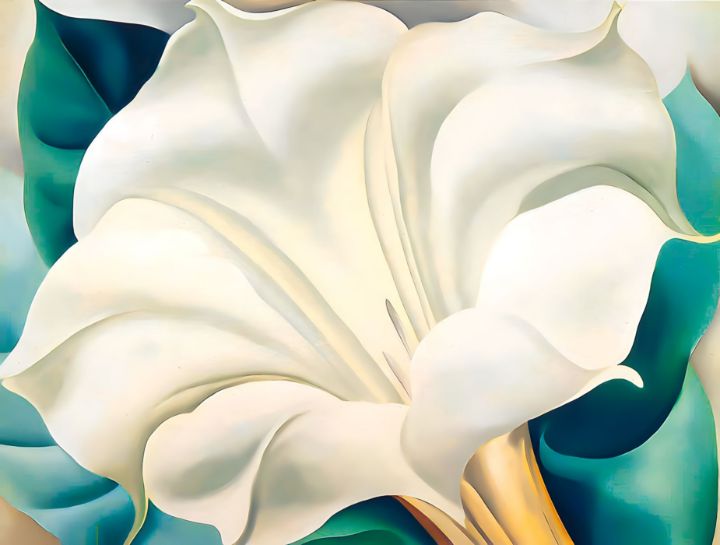
Datura (“devil’s trumpet,” “moonflower,” and “jimsonweed”) belongs to the nightshade family, which includes other well-known plants like tomatoes, potatoes, and belladonna. There are several species of Datura across the Americas, Asia, and Australia, and they share similar characteristics that make them instantly recognizable.
One of the most striking features of Datura is its large, trumpet-shaped flowers that bloom in the evening and emit a sweet, intoxicating fragrance. These blooms are often white or pale purple.
All species of Datura are poisonous and potentially psychoactive. Their seeds and flowers, if ingested, can cause several symptoms that include hallucinations and a little too much of it can cause death.
The flower is commonly associated with mysticism and symbolism in various cultures. For example, D. inoxia and D. wrightii, have been used by various Native American tribes in shamanic rituals to induce altered states of consciousness, facilitating visions and communication with the spirit world. In parts of the Amazon rainforest, datura is part of shamanic rituals, similar to the better-known ayahuasca. In India and Nepal, the flower has been utilized in various religious and spiritual practices, particularly in Hindu worship, being associated with Lord Shiva. In Mexico, Datura is known as “Toloache”, and is believed to have protective qualities. It is also associated with love spells and divination.
Datura and Pollinators
Beyond its symbolic and mystical associations, datura plays a crucial role in supporting pollinators, including moths and nocturnal insects. In California, it is one of the last flowers to bloom before the winter.
According to a Wikipedia article, “Datura toxins may be ingested accidentally by consumption of honey produced by several wasp species, including Brachygastra lecheguana… These semi-domesticated honey wasps apparently collect Datura nectar for honey production, which can lead to poisoning” (Wikipedia link).
Datura is primarily pollinated by nocturnal moths, specifically the sphinx moths (family Sphingidae). These moths are attracted to the fragrant, white or pale-colored flowers of Datura plants, which bloom at night.
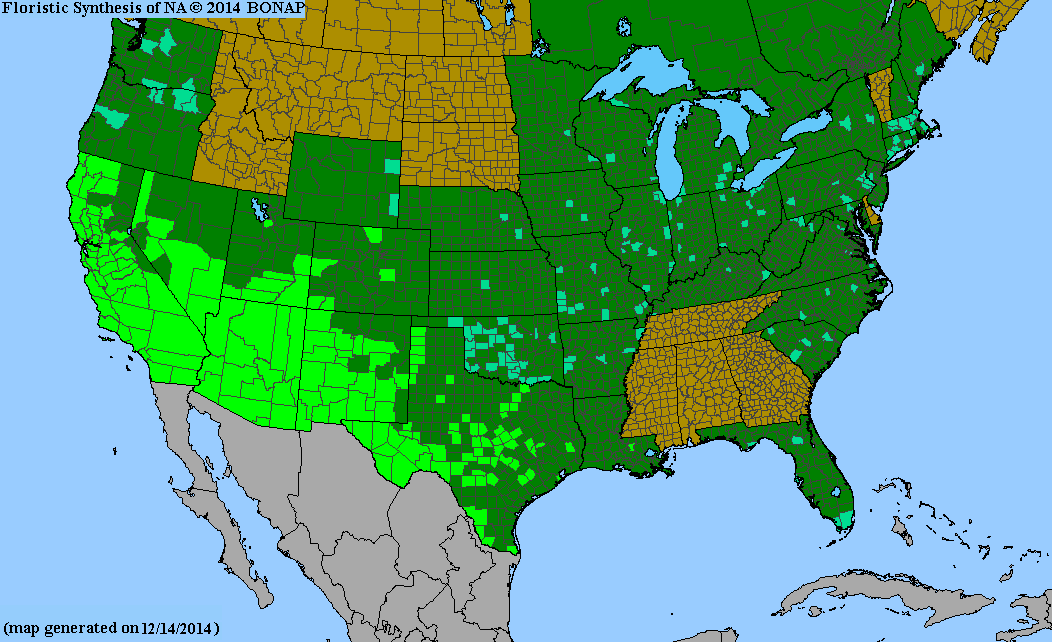
In California, you can find various Datura species, including Datura wrightii (sacred datura) and Datura metel (Indian datura). These species rely on similar pollinators, mainly sphinx moths, for reproduction. The species of sphinx moths involved in pollination can vary, but some common examples in California include:
- Manduca quinquemaculata (Five-spotted hawkmoth);
- Manduca sexta (Carolina sphinx);
- Hyles lineata (White-lined sphinx).
Conclusion
The datura flower is an interesting, highly toxic, hallucinogens plant infused with symbolism. Its mystical allure and striking beauty have fascinated people for centuries. In nature, it plays a significant role in supporting pollinators. As we appreciate the datura’s symbolic depth, let us also celebrate its essential contribution to the intricate web of life that surrounds us.
______________________________
Wall Art landscapes and miscellaneous
________________________________




Leave a Reply