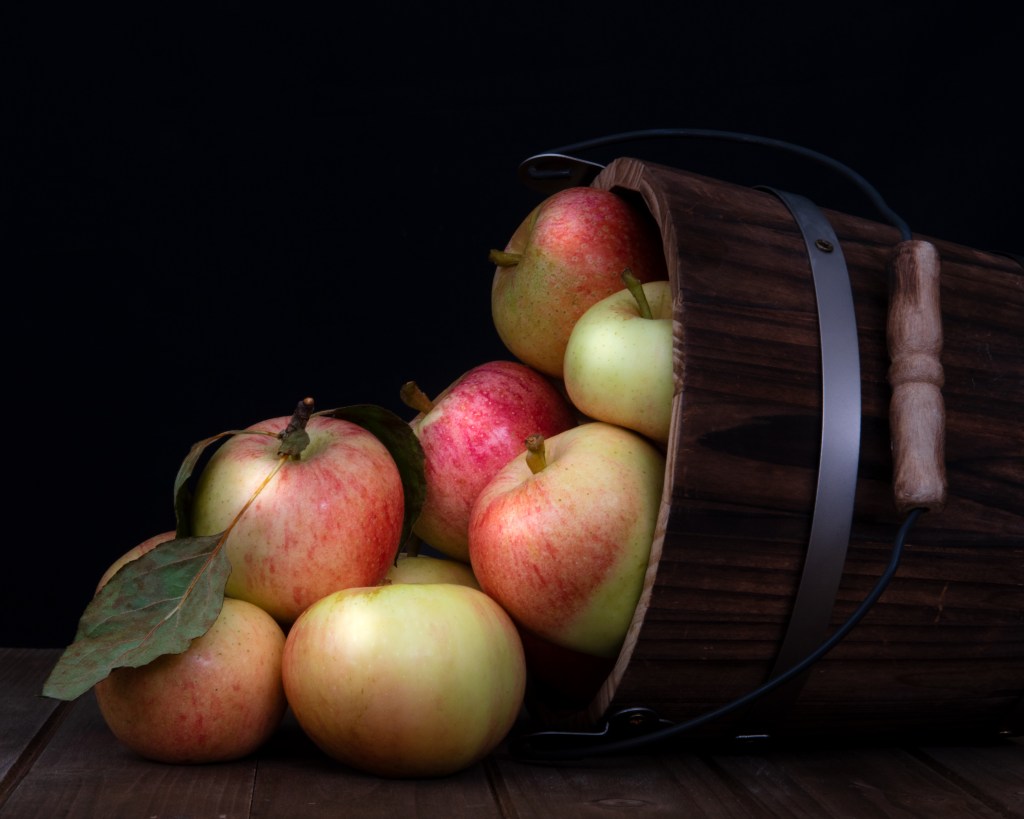
WELCOME TO AUTUMN
Welcome to Autumn! Finally! Celebrating the most beautiful season in the Northern Hemisphere, I have decided to re-open my still life gallery with photographs celebrating squashes, pumpkins and apples.
Between 2019 and end of 2021, I produced several photographs portraying California’s harvest crop, some of which I have uploaded to my GeoGalleries portfolio “Still Life”. I have two previous posts on the subject, “PBS KVIE Auction this coming Fall” and “October, life still”.
In this post, I write a little about my experience with still life photography involving produce/food items, and give some tips about how to obtain them.
WHAT IS STILL LIFE?
The term “still life” comes from the Dutch word “stilleven.” Painters in the Netherlands during the 16th and 17th centuries were among the first to develop and refine this genre, making them its pioneers. In art, still life generally refers to the depiction of inanimate subjects—often everyday objects such as fruit, flowers, vessels, or books. The so-called “Dutch Style” of still life, with its meticulous detail and symbolic layering, is only one of many approaches artists have taken. Other traditions emerged across Europe, such as the Spanish bodegón, which typically presented humble kitchen scenes, or the lavish French still lifes of the Baroque period. A concise overview of the history of still life painting can be found in this [Wikipedia article].
In Brazil, as in several other countries influenced by Romance languages, the genre is commonly referred to as “natureza morta,” which translates literally as “dead nature.” The phrase parallels the French “nature morte” and the Italian “natura morta,” both of which emphasize the transient or perishable quality of the depicted objects. This terminology reflects not only linguistic translation but also a philosophical association of still life with impermanence, mortality, and the passage of time—a theme often symbolized in art through decaying fruit, extinguished candles, or wilting flowers. While the precise origins of the term remain uncertain, its widespread use suggests a shared European perspective that linked the representation of inanimate objects with the contemplation of life’s ephemerality.
WHAT IS INVOLVED IN STILL LIFE PHOTOGRAPHY WITH PRODUCE?
Still life photography may look simple, but it requires patience, planning, and attention to detail. Below is a step-by-step process you can follow, based on how I created the images in my GeoGalleries Still Life portfolio.
1. Select Your Subjects
Start by visiting a farmers market or grocery store to choose fresh produce. Look for items with interesting textures, colors, or shapes. Inspect carefully—select the freshest, most visually appealing pieces.
2. Prepare the Produce
Wash and dry everything thoroughly. Remove blemishes and set aside any produce that doesn’t meet your visual standard. Since freshness fades quickly, it’s best to shoot soon after preparation.
3. Choose a Background and Backdrop
The background plays a big role in mood and style. You can use fabric, textured paper, wood, or a neutral wall. Aim for a backdrop that complements but doesn’t overpower your subject.
4. Arrange the Composition
Think about balance, symmetry, and focal points. Experiment by moving items around until the arrangement feels natural but deliberate. Consider the use of classic composition principles, such as the rule of thirds or leading lines.
5. Decide on Lighting
Lighting defines the atmosphere of a still life. Natural window light can be beautiful but may not always be sufficient. Try experimenting with side lighting for depth and drama, or diffused lighting for softer shadows.
6. Pick the Right Lens
A standard prime lens (like a 50mm) or a short telephoto (85–100mm) often works best for still life, as they give a natural perspective and help isolate the subject.
7. Adjust Camera Settings
A narrow aperture (such as f/8–f/16) ensures more of your composition stays in focus. However, indoors this can slow your shutter speed considerably, which may cause blur if your subject shifts (produce can wilt or sag during long exposures).
8. Manage Exposure Challenges
To keep your shutter speed fast enough, consider adding artificial light. You don’t need costly equipment: affordable options like Yongnuo Professional Flash Speedlights (under $100 each) or LED continuous lights paired with homemade diffusers and reflectors can do the job. Experiment with light direction and diffusion until you achieve the look you want.
9. Post-Processing
Finally, bring your images into editing software to fine-tune exposure, contrast, sharpness, and color balance. Post-processing enhances the textures and ensures the mood of your still life matches your artistic vision.
👉 Pro Tip: Because produce wilts and changes quickly, plan your shoot carefully. Have your background and lighting ready before you bring out your subjects, so you can photograph them at their freshest.
______________________________
Wall Art landscapes and miscellaneous
________________________________


 It is all about the light
Leave a reply to Steve Schwartzman Cancel reply