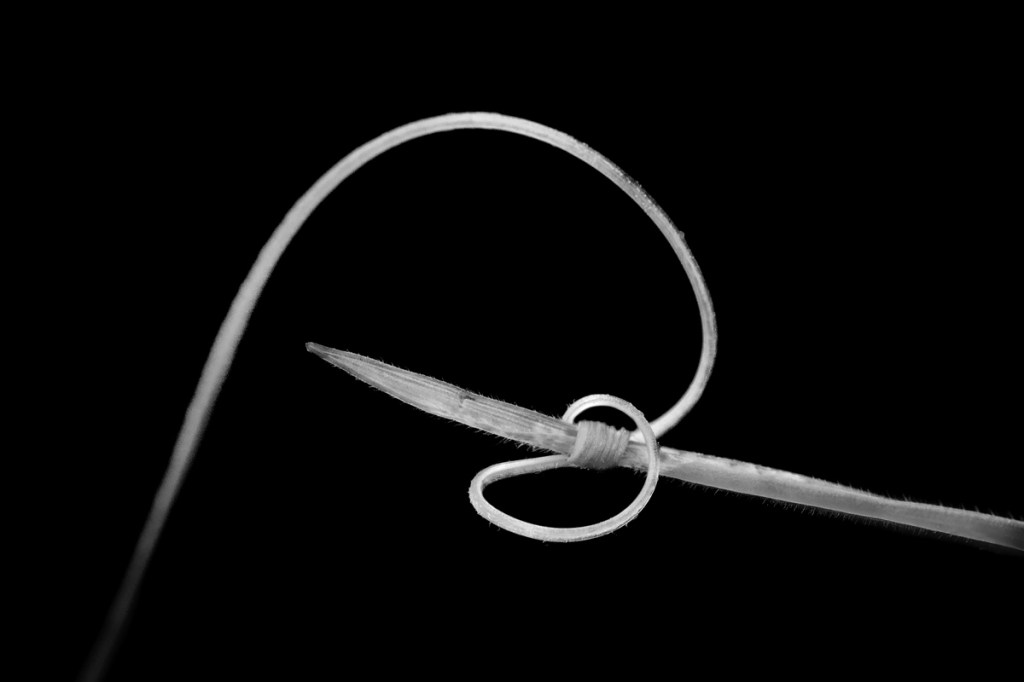
Nature offers endless inspiration for photographers, and one captivating subject is the looping vine tendril. These delicate spirals, twisting and curling as they search for support, showcase the elegance of plant movement in a single frame. Whether you’re a macro enthusiast or a casual nature photographer, capturing the beauty of a vine tendril requires patience, attention to detail, and the right techniques.
On March 2nd, 2025, I went on a quest for something interesting at a local University Riparian preserve. Not much was available, but there were plenty of vine tendrils.
I took the FEATURED IMAGE (f/9, 1/200s, ISO 400) with a macro lens (105 macro from Nikon). The image was illuminated with an off-camera flash through a diffuser, to freeze the subject (it was a breezy day) and to isolate it against the dark background. It portrays a looping vine tendril hanging grabbing a blade of grass.
Why Photograph Vine Tendrils?
Vine tendrils are more than just plant structures; they tell a story of resilience and adaptation. Their loops and coils create interesting natural patterns, making them an ideal subject for abstract and fine-art photography. The way they catch light, form spirals, and contrast against their surroundings makes them visually compelling.
Best Conditions for Photographing Vine Tendrils
1. Lighting Matters
Soft, diffused light—such as early morning or overcast conditions—works best for highlighting the details of a tendril without harsh shadows. Backlighting can add a magical glow, emphasizing the tendril’s translucency. If the wind is blowing, an off-camera flash might be helpful.
2. Composition and Background
A cluttered background can distract from the tendril’s intricate shape. Use a longer lens and a wide aperture to blur the background, isolating the subject. Look for contrasting colors to make the tendril pop—deep greens, warm browns, or even sky blues work well. An off-camera flash is also a good way to simplify the background by making it black.
3. Macro Lenses and Close-Ups
To capture fine details like tiny hairs and subtle color variations, use a macro lens or a camera with a strong close-up function. If using a smartphone, clip-on macro lenses can help achieve sharp results.
4. Angles and Perspectives
Experiment with different angles—but keep in mind that maintaining the lens parallel to the main axis of the subject will yield the greatest depth of field. A low perspective can make a tendril appear more dynamic, as if it’s reaching outward.
5. Stability and Focus
Since tendrils are lightweight and can move with the slightest breeze, a tripod and a remote shutter release (or a timer) help maintain sharp focus. If handheld, steady your elbows against your body to reduce shake. Again, an off-camera flash can help freeze movement by setting the shutter speed at the cameras’ synch speed.
Final Thoughts
Photographing looping vine tendrils is a rewarding practice that blends art and science. With the right lighting, composition, and patience, you can reveal the intricate beauty of these natural spirals. Next time you’re in a garden, take a closer look—you might find a perfect tendril just waiting to be captured.
Have you photographed vine tendrils before? Share your experience and links to photos if you have them online.
______________________________
Wall Art landscapes and miscellaneous
________________________________


 It is all about the light
Leave a comment