Spring photography tips

Published by

on

If you want something to look interesting, don’t light all of it.” Quote attributed to John Loengard.

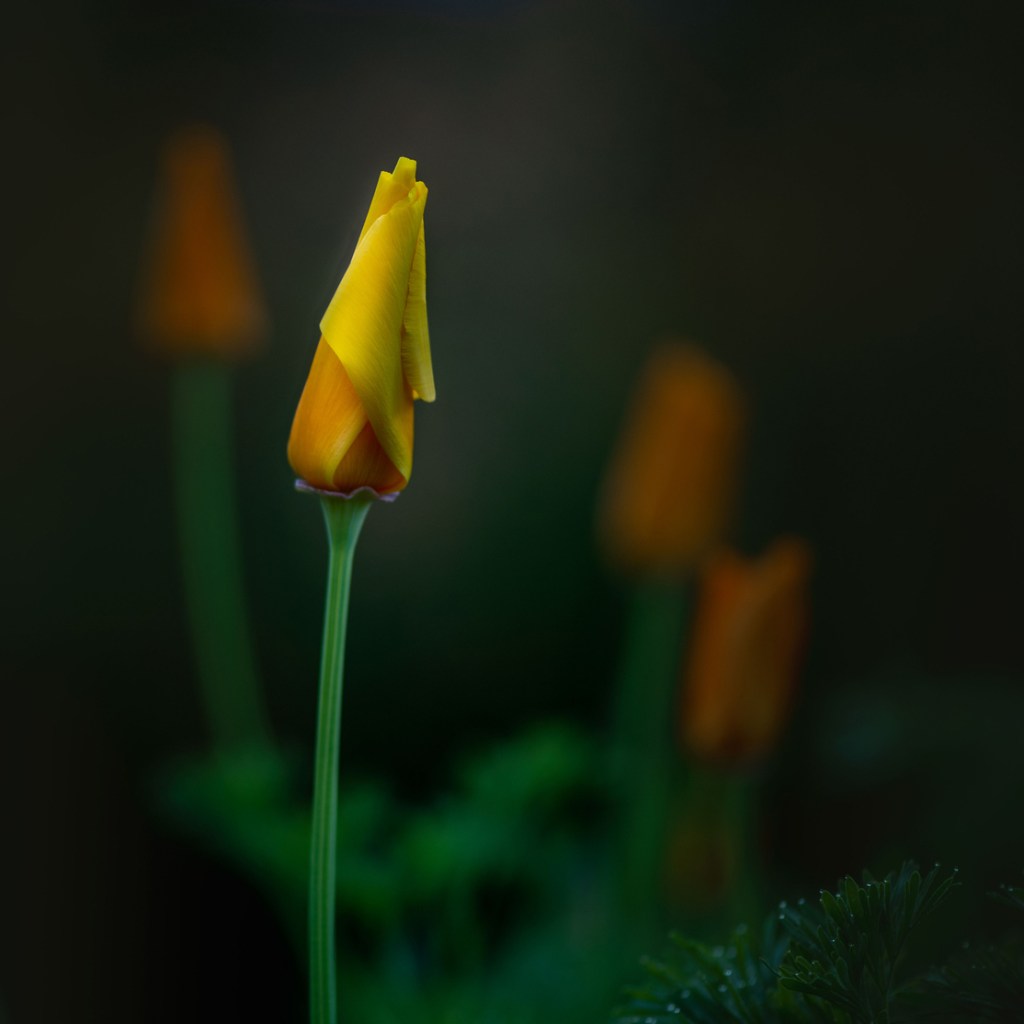
Chaparral Currant, Hybrid Hellebore and California Poppy were flowering last weekend at the UC Davis arboretum. There were a few other flowers in the garden: Angel’s Trumpets, succulents, yellow daisies, Manzanita, Narcissus and Oxalis

Spring is finally upon us in California. Soon, the social media sites will be filled with flower pictures, so it’s a good time now to start thinking about different techniques to capture these beautiful subjects. Selective lighting and darkening the background are among my favorite tricks to make a flower picture look a little different. What is yours?
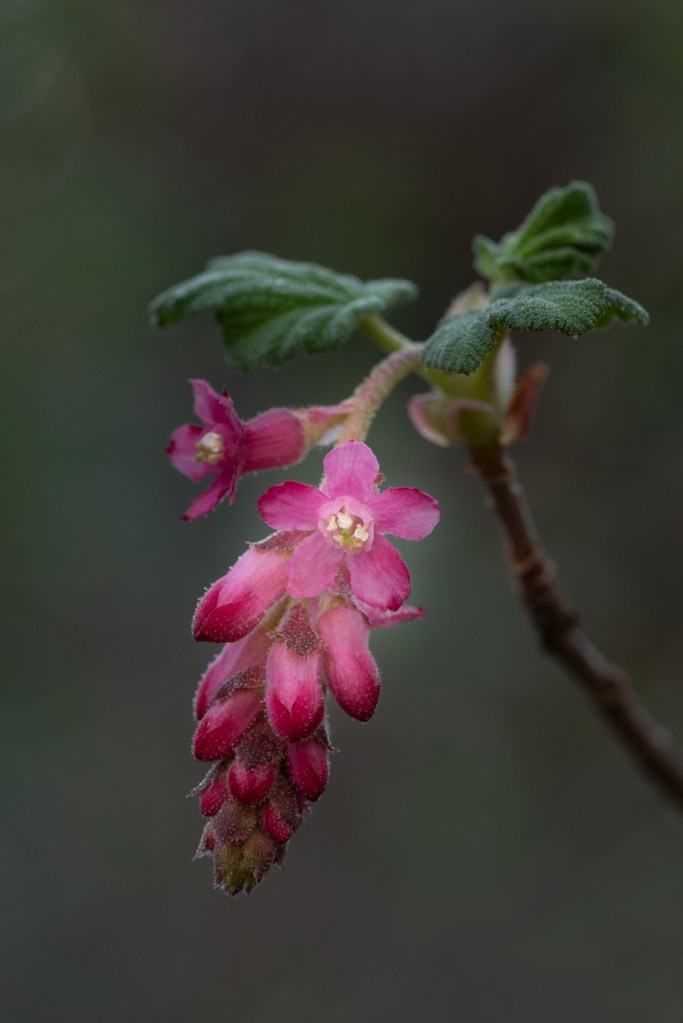
Chaparral Currant
Hybrid Hellebore
California Poppy

Spring is more than flowers

I like am always on the lookout for new growth and I am attracted to curves and strange shapes in weeds.
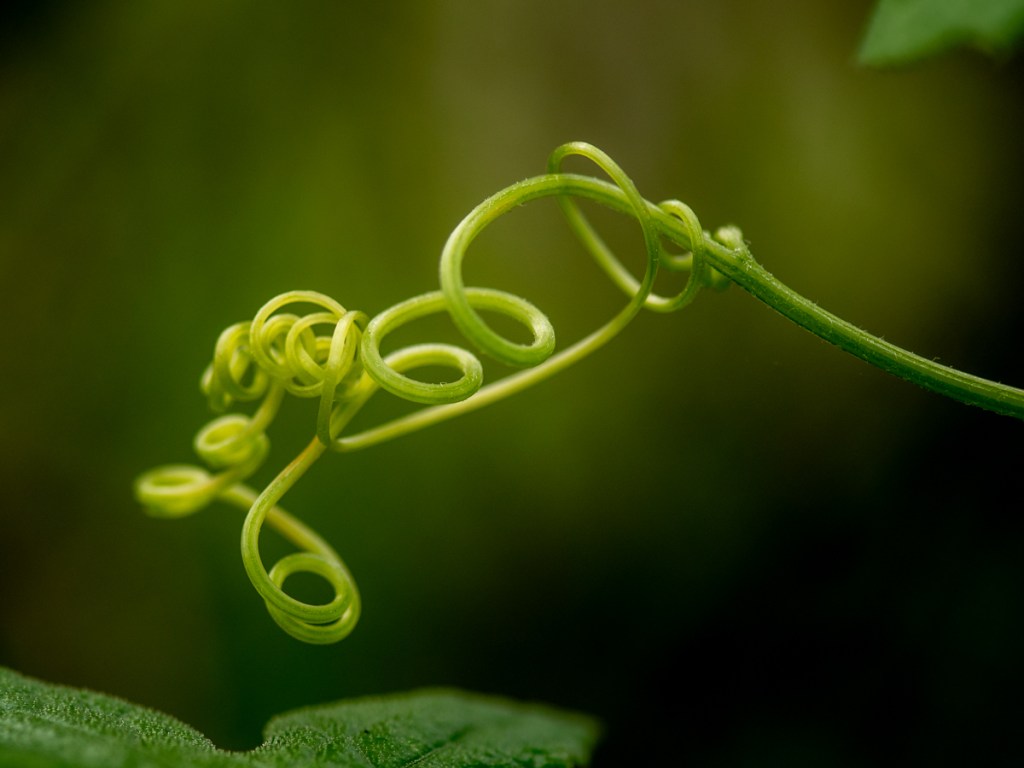
Unidentified weed

Location: UC Davis Arboretum, CA, USA;

Equipment: Nikon D750, AF-S NIKKOR 105mm F2.8G,  speedlight, off camera trigger, light stand, Rogue Flash Grid System.

Tips: To obtain a dark background,  I used an off-camera speed light going through a Rogue Flash Grid pointing at the flower from the side. The grid directs the light into a spot, rather than illuminating all of the subject. A diffuser between the subject and the flash is always advisable. I used a piece of foam underneath the grid to soften the otherwise hard light coming from the speed-light.   The convoluted weed was captured under natural light.

I have two collections in my pixels website portraying flowers: California Wildflowers and botanicals in color. Take a look to get a sense of my different lighting techniques and strategies.

______________________________

Wall Art Botanical Images

Wall Art Photography projects

Wall Art landscapes and miscellaneous

________________________________

11 responses to “Spring photography tips”

  1. Jock Hamilton Avatar
    Jock Hamilton

    I enjoy reading your posts, you travel and see so close to my images I often wonder if you’re beside me. It makes me smile, thank you for sharing!

    Like

    1. Alessandra Chaves Avatar

      Maybe it’s possible that sometimes I am. At least once I remember we came up with very similar photos on the same day (sunset at Solano lake). Thanks for stopping by and your kind worlds.

      Like

  2. gsilvosatrekpix Avatar

    Good tips! Thanks for sharing!

    Like

    1. Alessandra Chaves Avatar

      thank you!

      Like

  3. Steve Schwartzman Avatar

    You’ve got many excellent pictures on your pixels.com site. Nice going. “Gibson Silhouette #1” in your Musical Instruments collection reminds me of “bodyscapes” that some photographers have done.

    Plant lovers might wish you captioned your final picture in this post something like “Looping Vine Tendril” rather than using the negative word “weed.”

    As for techniques, I’m with you when it comes to selective darkening, which I carry out in software rather than judicious lighting. On my blog I created a page where I describe techniques I’ve used and give links to photographs on which I used those techniques.

    Like

    1. Alessandra Chaves Avatar

      I have bookmarked your thorough guide, which is exemplified with excellent photos.
      When I clicked on the photograph for black and white there’s no photo attached to it.
      I like the Looping Vine Tendril name and will used it moving forward. I wasn’t sure how to call it!

      Like

      1. Steve Schwartzman Avatar

        Thanks for pointing out the glitch in the post with the black and white picture, which I’ve fixed.

        Liked by 1 person

  4. shoreacres Avatar

    I especially enjoyed the photo of the looping tendrils, although it did occur to me that they might well belong to a native vine. ‘Weed’ seems so perjorative, even though many gardeners use it to describe any plant that shows up unbidden: even perfectly respectable natives.

    I’ve yet to see a hellebore in real life, but there are dozens of photos of them published by bloggers I follow. I must say, your photo is one of the most appealing I’ve seen; it appears to be lit from the inside, and the glow suffuses the entire bloom.

    Liked by 1 person

    1. Alessandra Chaves Avatar

      Thank you. As I explained to Steve, I wasn’t sure how to call the Looping Vine Tendril. I don’t think it is native here of California, it’s probably invasive. I had not thought about the pejorative meaning attached to the word “weed”.

      Liked by 1 person

  5. howg2211 Avatar
    howg2211

    Beautiful and moody images. Love what you’ve done with the lighting.
    In terms of asking about other tricks, I would add shooting with a very shallow depth of field.
    Really lovely shots.

    Like

    1. Alessandra Chaves Avatar

      Yes, I agree with you that a shallow depth of field will often give a pleasing image. However, if the intention is to convert to black and white, it can be quite challenging coming up with a good photograph. The out of focus portions of the image tend to shine brighter and attract the gaze towards them.

      Like

Leave a comment

Discover more from It is all about the light

Subscribe now to keep reading and get access to the full archive.

Continue reading