Popular Images, Social Media, and why Simplicity and Monochrome Often Fall Short

Published by

on

Introduction

Some things are as they are, not was we want them to be. This assertion may sound trivial, but reality does have boundaries.

We are biologically programmed to see in color, to use color to discriminate among things, to search for food, to identify dangers. We are biologically attracted to color. And when it comes to art appreciation at the most basic level, biology matters.

Because I am a biologist, I understand the importance of biology. But because I am also an artist, I often ignore biology for the sake of self-expression.

I spend a lot of time promoting my monochromatic images, but my images that get likes and also the ones that get sold more consistently are in color. This is not something that can be changed. Fancy that. It is what it is.

If you want to make some money selling prints though social media, try to offer images that play a crucial role in capturing attention and engagement. With platforms like Instagram, Pinterest, and Facebook becoming visual playgrounds, understanding what types of images garner the most appreciation can be pivotal. Simple monochrome photos often struggle to gain traction. Let’s dive into a few elements that make certain images more likable and explore why simplicity in monochrome might not always hit the mark.

1. Bright and Colorful Images

Why They Work:

  • Eye-Catching: Bright colors naturally draw the eye, making users stop scrolling to take a second look.
  • Emotional Impact: Colors can evoke emotions. For example, blue can be calming, red can be exciting, and yellow can be uplifting.
  • Visual Interest: A diverse color palette can make an image more visually interesting and dynamic.

Examples:

  • Vibrant landscapes with vivid sunsets.
Sunset in Coronado Island.
Click on the image above to see a larger version or purchase a print
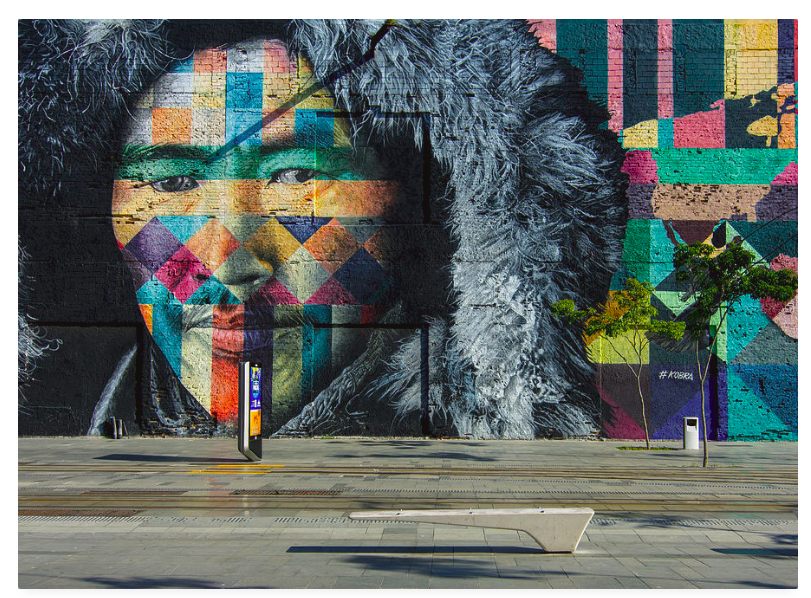
  • Colorful street art.
Mural Etnias.
Click on the image to see a larger version or purchase a prin
t
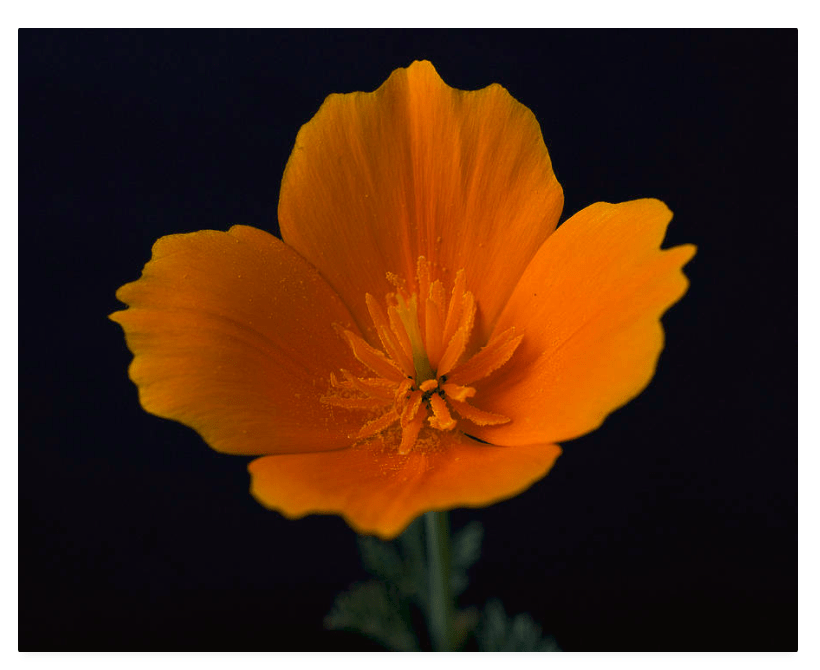
  • Macro shots of nature.
California poppy on black.
Click on the image above to see a larger version or purchase a print

Monochrome Images Often Don’t Get as much attention

Lack of Immediate Impact:

  • Monochrome images, especially those in shades of grey, may not stand out in a sea of colorful, vibrant photos. They often lack the immediate visual impact needed to catch a viewer’s eye during a quick scroll.
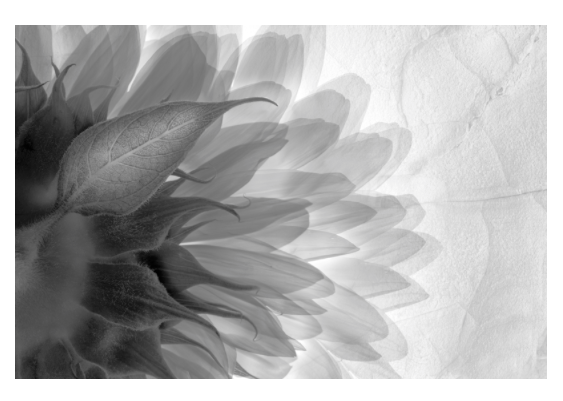
Sunflowers backside.
Click on the image above to see a larger version or purchase a print

Perception of Simplicity:

  • Simple images in monochrome can sometimes be perceived as lacking effort or creativity. In a social media landscape where users are bombarded with visually complex and stimulating content, simplicity can be overlooked.
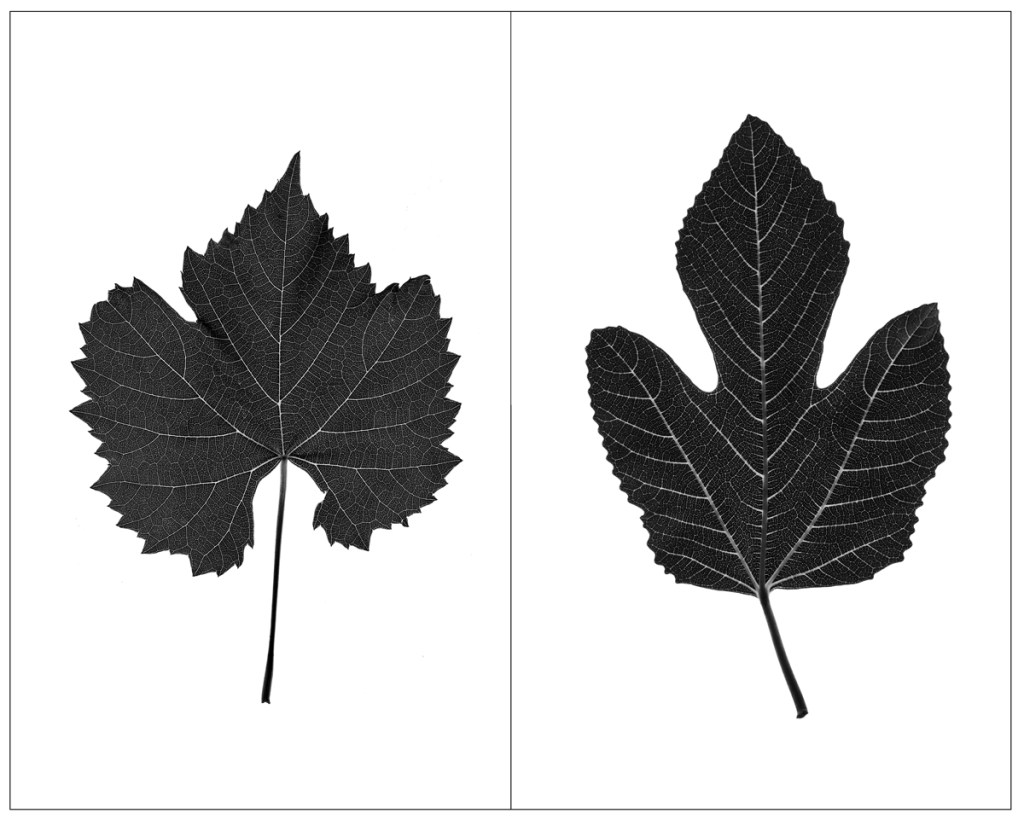
Leaf architecture.
Click on the image above to see a larger version or to purchase a print.

Emotional Resonance:

  • While monochrome photography can be powerful and evocative, it requires a more discerning eye and a deeper appreciation. Casual viewers may not always connect emotionally with such images, leading to less engagement.
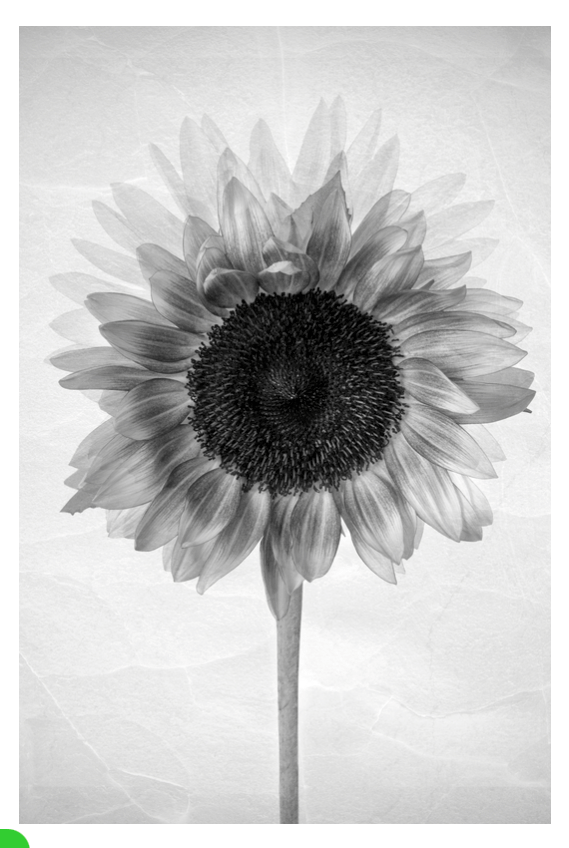
Wilting sunflower.
Click on the image above to see a larger version or to purchase a print

Immediate connection with a place

I while ago I posted in this blog a photograph of the Golden Gate Bridge from Baker beach in monochrome. The image that i more likely to sell online, however, is it’s color counterpart. Why? Well, one reason is, it stands out more in social media and another is, it’s easier to make an immediate connection with the place if in color.

Golden Gate Bridge from Baker Beach- Click on the image above to see a larger version or to purchase a print.

The minimastic style in a visually saturated environment

  • The minimalistic style, often associated with monochrome photography, can be less engaging. These images can blend into the background, especially on platforms teeming with vibrant visuals.
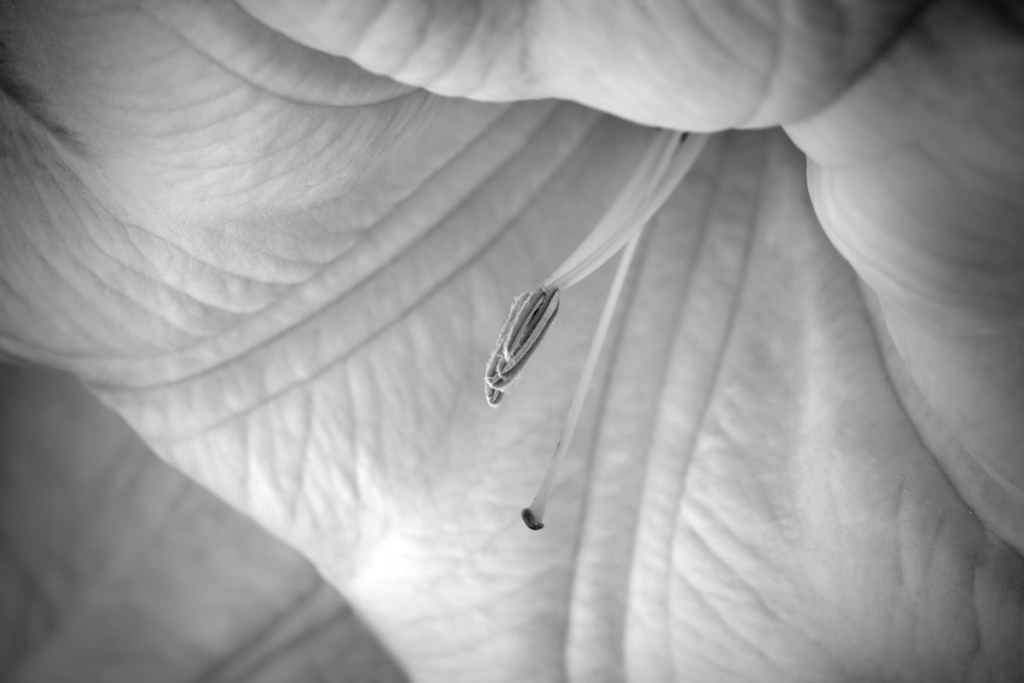
White Datura.
Click on the image above to see a larger version or to purchase a print

Conclusion

We are biologically programmed to see in color, to use color to discriminate among things, to search for food, to identify dangers. We are biologically attracted to color. In the dynamic and competitive arena of social media, images that are bright, colorful, and saturated, tend to capture more attention and likes. While simple monochrome images possess their own aesthetic value, which can be more thoroughly appreciated in quiet galleries and solo shows, they often fall short in the fast-paced, visually saturated environment of social media. Understanding these dynamics can help creators tailor their content to better resonate with their audience and achieve greater engagement.

______________________________

Wall Art Botanical Images

Wall Art Photography projects

Wall Art landscapes and miscellaneous

________________________________

13 responses to “Popular Images, Social Media, and why Simplicity and Monochrome Often Fall Short”

  1. jodifrye Avatar
    jodifrye

    years ago when we shared photos on Google Plus I had someone tell me that people who post black and white photos are just ‘ show offs ‘ … their logic was that only those who are professional photographers post black and white images. lol … So everyone has an opinion about it. Personally I feel certain subjects are much better portrayed in Black and white like ‘ nudes ‘ … shapes lines light and shadows. But I also love florals in B&W. Many times color is a distraction to natural beauty.

    Liked by 1 person

    1. Alessandra Chaves Avatar

      That’s certainly true. I think it’s the internet environment, fast paced and full with distractions, that is not conducive to appreciating these images. A gallery show or even looking at 3x4s at home or a magazine are better environments for a b&w to compete.

      Like

  2. tierneycreates: a fusion of textiles and smiles Avatar

    Ah you are a biologist! You can tell through your writing that you are a very intelligent person and now I have little bit more insight. Great essay and images! The B&W sunflower is especially awesome!

    Liked by 1 person

    1. Alessandra Chaves Avatar

      Thank you! Yes my profession is entomology.

      Liked by 1 person

      1. tierneycreates: a fusion of textiles and smiles Avatar

        Bugs! if you like use the Inquires form on this link on my blog https://tierneycreates.com/questions/
        with your mailing address and I have an entomology related treat for you (I made a little bag with bug fabric awhile ago).

        Liked by 1 person

  3. shoreacres Avatar

    The thought of biology being involved in our attraction to color was new to me. Then, I remembered articles about the ways certain insects prefer certain colors, or how hummingbirds are attracted to red flowers.

    Now I’m wondering if any studies have been done on human color preference. Many people love all shades of blue, but I never would paint a room blue, and I don’t wear blue clothing (apart from bluejeans). On the other hand, yellow and green make me happy; they literally can change my mood. It would be fascinating to learn that such preferences also are biologically based — but I’ll have to leave that research to someone else.

    Liked by 1 person

    1. Alessandra Chaves Avatar

      People who study marketing know a lot about how color influences mood. For example red influences heart rate and appetite, and is prevalent in many food advertisements, logos, and fast-food chains. Orange also promotes appetite, excitement and enthusiasm in diners, which can be useful in promoting specials or signature dishes. As for insects, they don’t exactly see how or what we see in the light spectrum .

      Liked by 1 person

  4. Steve Schwartzman Avatar

    Good analysis, especially in considering our biological conditioning. In the beginning (a famous phrase), technology limited photography to black and white. Even then, photographers figured out how to tint monochrome photographs in sepia and other tones to give their works an “artsy” look. As color photography became more and more common and ultimately took over, black and white became a realm that required “a more discerning eye and a deeper appreciation.” As you said, that’s just the way it is.

    Liked by 1 person

    1. Alessandra Chaves Avatar

      Yes, biology matters and it’s best to work with it than against it.

      Liked by 1 person

      1. Steve Schwartzman Avatar

        Maybe you’d do well to open a business that sells T-shirts, posters, bumper stickers, refrigerator magnets, etc., bearing the motto “Biology matters.”

        Like

      2. Alessandra Chaves Avatar

        These days I’m afraid such business would be shut down.

        Liked by 1 person

  5. howg2211 Avatar
    howg2211

    You are, of course, right about black and white not being eye catching or garnering tons of looks and likes on social media. But I think within a smaller (perhaps more discriminating??) audience there are people who appreciate the genre as another, and, in at least some instances, more interesting way of seeing.

    Liked by 1 person

    1. Alessandra Chaves Avatar

      Yes, there are. It’s just not very catching on social media.

      Like

Leave a reply to tierneycreates: a fusion of textiles and smiles Cancel reply

Discover more from It is all about the light

Subscribe now to keep reading and get access to the full archive.

Continue reading