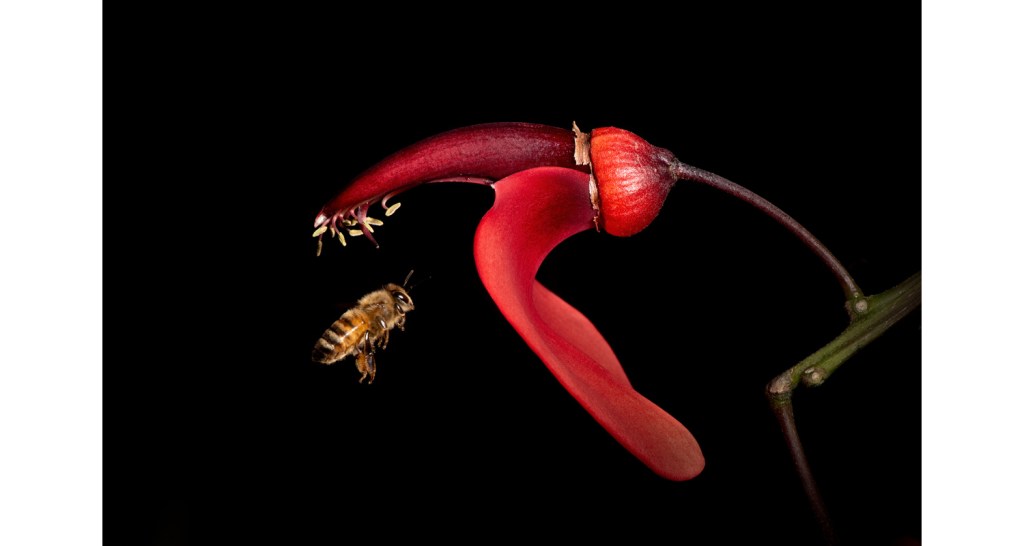
Thanks to Steve S. for letting me know about pollinator week!
Pollinators play a vital role in the ecosystem, contributing significantly to the reproduction of countless plant species. The process of pollination, whereby pollen grains are transferred from the male reproductive organs of a flower to the female reproductive organs, is essential for plant reproduction. Pollinators, including bees, butterflies, birds, bats, and even some small mammals, serve as the primary agents of this crucial ecological process.
The importance of natural pollinators
The importance of pollinators cannot be overstated. They facilitate the reproduction of approximately 75% of the world’s flowering plants, including many food crops. Without pollinators’ invaluable service, agricultural productivity would plummet, leading to significant food shortages and impacting global food availability. Pollinators not only enhance agricultural production, but also ensure the preservation of biodiversity, since they facilitate the reproduction of native plants and the maintenance of healthy ecosystems. By promoting cross-pollination, they contribute to genetic diversity, which is essential for the long-term resilience and adaptation of plant species to changing environmental conditions. Thus, pollinators are vital for maintaining the delicate balance and functioning of ecosystems worldwide.
The honeybee situation
Honeybees, as crucial pollinators, play a critical role in agricultural ecosystems, aiding in the pollination of numerous food crops. However, honeybees have faced numerous challenges, including habitat loss, pesticide exposure, climate change, and the spread of diseases and pests like Varroa mites. These factors have contributed to the decline of honeybee populations worldwide, a phenomenon known as colony collapse disorder (CCD). The decline of honeybees is alarming as it not only threatens honey production but also poses a significant risk to global food security. Efforts to address the honeybee situation involve promoting habitat conservation, reducing pesticide usage, supporting beekeeping practices, and raising awareness about the importance of honeybees in maintaining healthy ecosystems. The plight of honeybees highlights the urgency of protecting pollinators and implementing sustainable practices to ensure their survival and the continued provision of essential ecosystem services.
When natural pollinators are not available or sufficient
While natural pollinators like bees, butterflies, and birds are the primary agents of pollination, in certain regions of the world, for specific crops, human intervention in the form of hand pollination is necessary. Here are a few examples of countries where crops are sometimes pollinated by humans:
- China: In certain parts of China, particularly in regions with large apple orchards, farmers often resort to manual pollination due to the scarcity of natural pollinators. They use techniques like hand pollination or transferring pollen with brushes or feather dusters to ensure successful fruit set.
- United States: Some crops in the United States, such as certain varieties of cherries and almonds, heavily rely on managed honeybees for pollination. Beekeepers transport their beehives to orchards during the flowering season to ensure adequate pollination and maximize crop yields.
- Japan: In Japan, farmers practicing cultivation of certain fruit trees, such as peaches and pears, sometimes engage in hand pollination. They use small brushes or even individually hand-pollinate flowers using tweezers or other tools to ensure proper fertilization.
- India: In parts of India, particularly in regions with cashew plantations, manual pollination is commonly practiced. Workers manually transfer pollen from the male flowers to the female flowers using brushes or their hands, as cashew trees have separate male and female flowers that bloom at different times.
These examples highlight how human intervention in pollination becomes necessary when natural pollinators are insufficient or unavailable, ensuring the successful reproduction and yield of crops. However, it’s important to note that reliance on manual pollination is typically limited to specific crops or regions and is not a widespread and sustainable practice for most agricultural systems.
______________________________
Wall Art landscapes and miscellaneous
________________________________


 It is all about the light
Leave a reply to Howard Grill Cancel reply