I’ve been submitting images to stock agencies since 2015, and lately, the landscape feels different — almost unrecognizable. Artificial Intelligence has swept in like a quiet storm, filling the market with endless images that never existed: perfect models, ideal lighting, flawless compositions. Buyers can now create “a smiling team in an office” or “a woman drinking coffee at sunrise” in seconds, for almost nothing.
That shift has made it clear: generic stock is in trouble.
In 2023 I made a prediction, that this would happen. The kinds of images that used to sell steadily — polished business scenes, clean-cut lifestyle shots, cheerful “diversity” portraits — are now easily replaced by AI. You can feel it in the sales numbers: those safe, conceptual photos that once formed the backbone of stock portfolios just aren’t moving like they used to.
But not everything is vanishing. If anything, this change has reminded me what makes photography human. What’s holding strong — even growing — are the things AI can’t replicate convincingly: real places, real people, and real stories.
Editorial and documentary-style images, grounded in identifiable locations or authentic moments, are more in demand than ever. A real street scene in Lisbon, a local artisan at work, a foggy morning in a recognizable park — those are things algorithms can’t fake without tripping over geography, ethics, or copyright. Editors and buyers still need genuine visuals to illustrate real-world stories.
Here’s what I’ve learned about staying relevant — and how photographers like us can keep selling in this new era:
1. Photograph the Real World
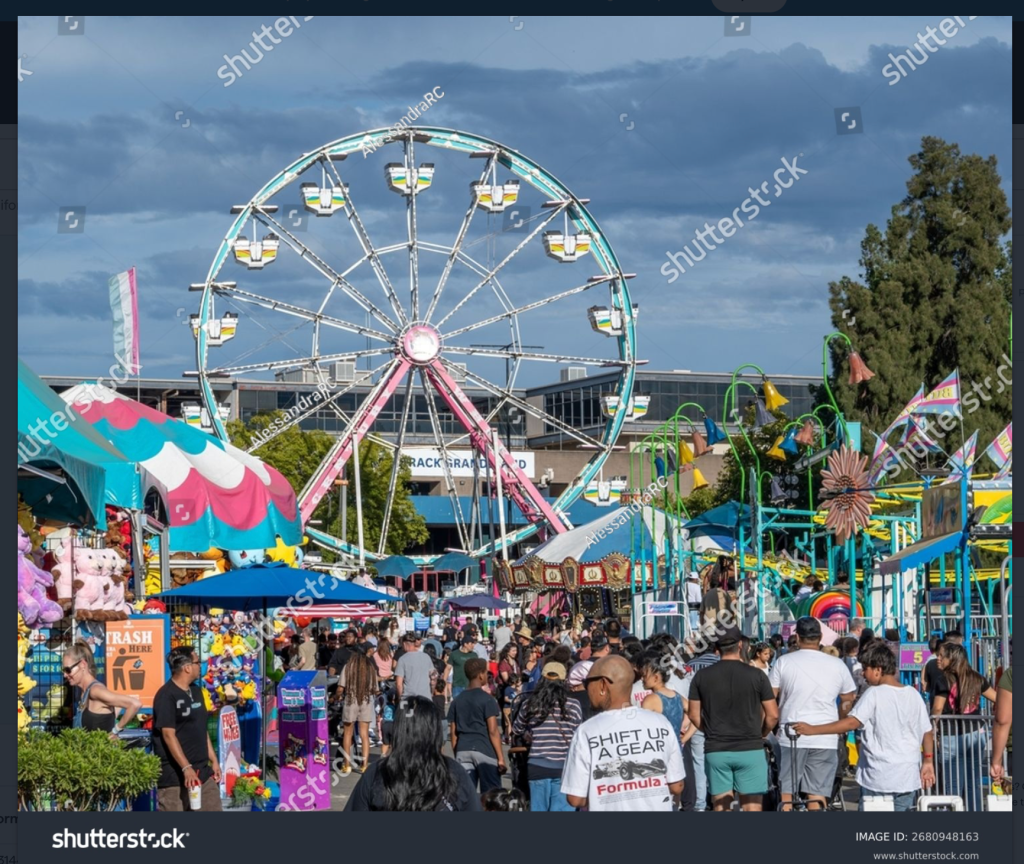
I’ve shifted my focus toward editorial and travel images — things that exist. When you capture a recognizable place, an event, or a slice of life, you’re creating something grounded. AI can imagine a cathedral, but not that cathedral.
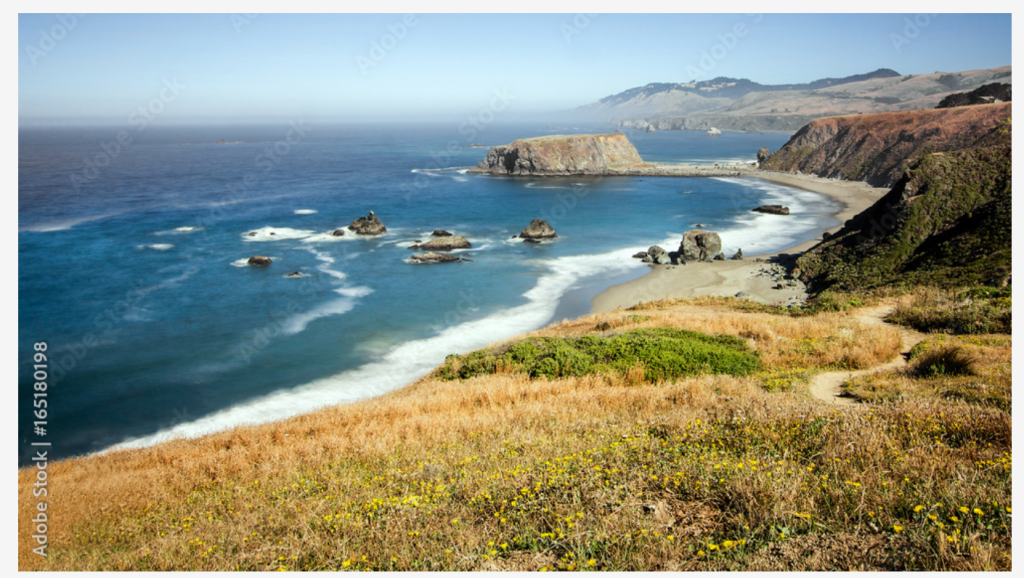
The FEATURED IMAGE, one my best selling images across agencies, is the landscape of a local park (Goat Rock State Park).
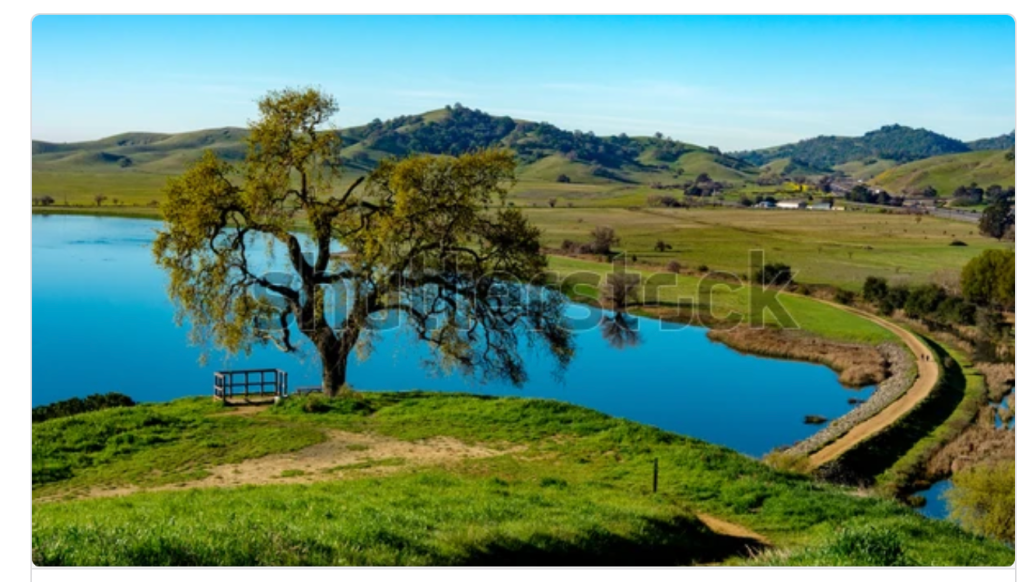
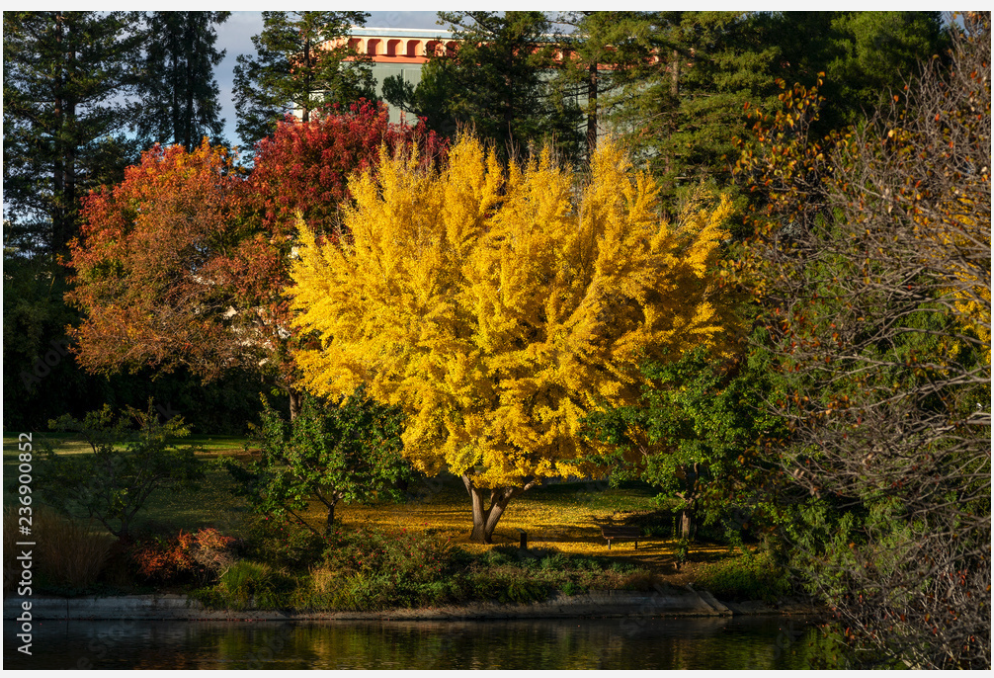
Below, a few more example of good earners:


2. Work in Niches AI Can’t Reach
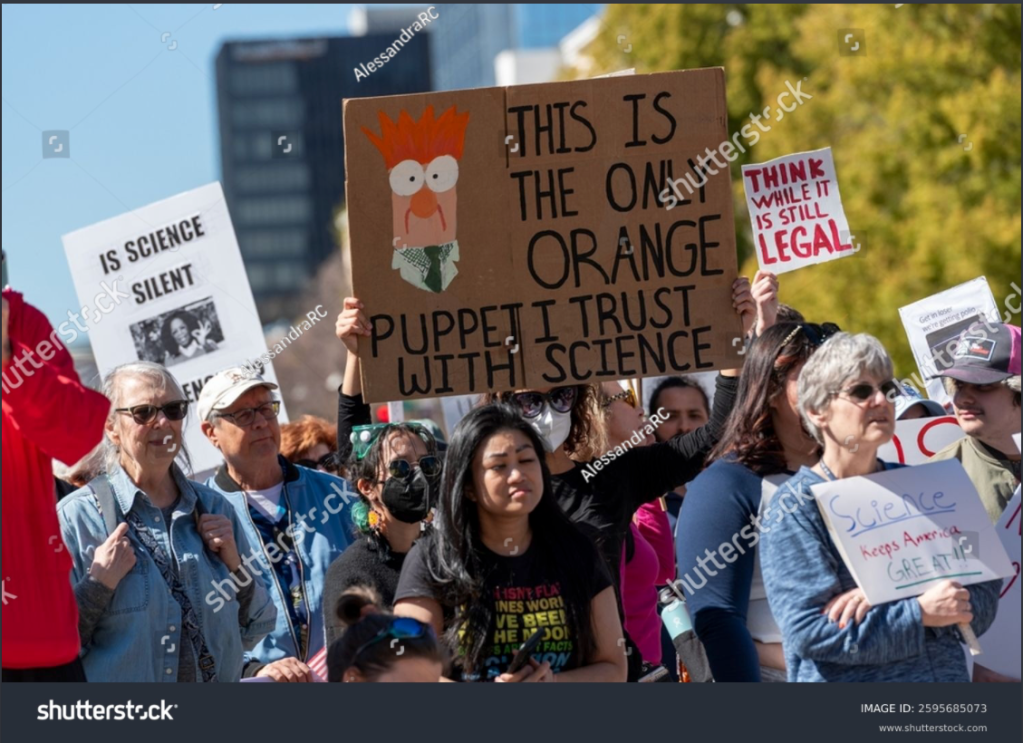
AI doesn’t have access to your world — your neighborhood, your community, your ecosystems. I’ve started documenting local people at work, conservation projects, and regional traditions. These are things only a human being, physically present, can photograph.


3. Tell Small Stories
I try to shoot in sequences — images that suggest a process or story rather than isolated objects. AI can produce individual pictures, but it can’t create narrative flow. A baker kneading dough, then pulling bread from the oven, then sharing it with a customer — that’s storytelling, and buyers love it.


4. Be Precise With Captions and Keywords
With so many images online, context matters. I include specific details: who, where, when, and why it matters. “Fish market in Puntarenas, Costa Rica, early morning” performs far better than “people at market.” Editors are searching for real, nameable places.
5. Don’t Rely Solely on Stock Agencies
Agencies are still useful, but I’ve been branching out — selling prints, licensing directly to NGOs and small publishers, even sharing behind-the-scenes stories on my website. Building visibility beyond agency algorithms gives you more control and stability.
The way I see it, AI has taken over the fictional side of photography — but it can’t touch the truthful side. There’s still value in seeing the world through a real lens, with all its imperfections, timing, and emotion.
Stock photography is evolving, but so can we. The photographers who will thrive are the ones who double down on what’s real — because in a world full of synthetic images, authenticity has never looked so good.
Here are links to some of my portfolios:
______________________________
Wall Art landscapes and miscellaneous
________________________________


 It is all about the light
Leave a reply to Alessandra Chaves Cancel reply