It had been a while since I last went for a day of photography. Lat weekend, I decided to rejoin an old meetup group for a day at the Point Reyes National Seashore.
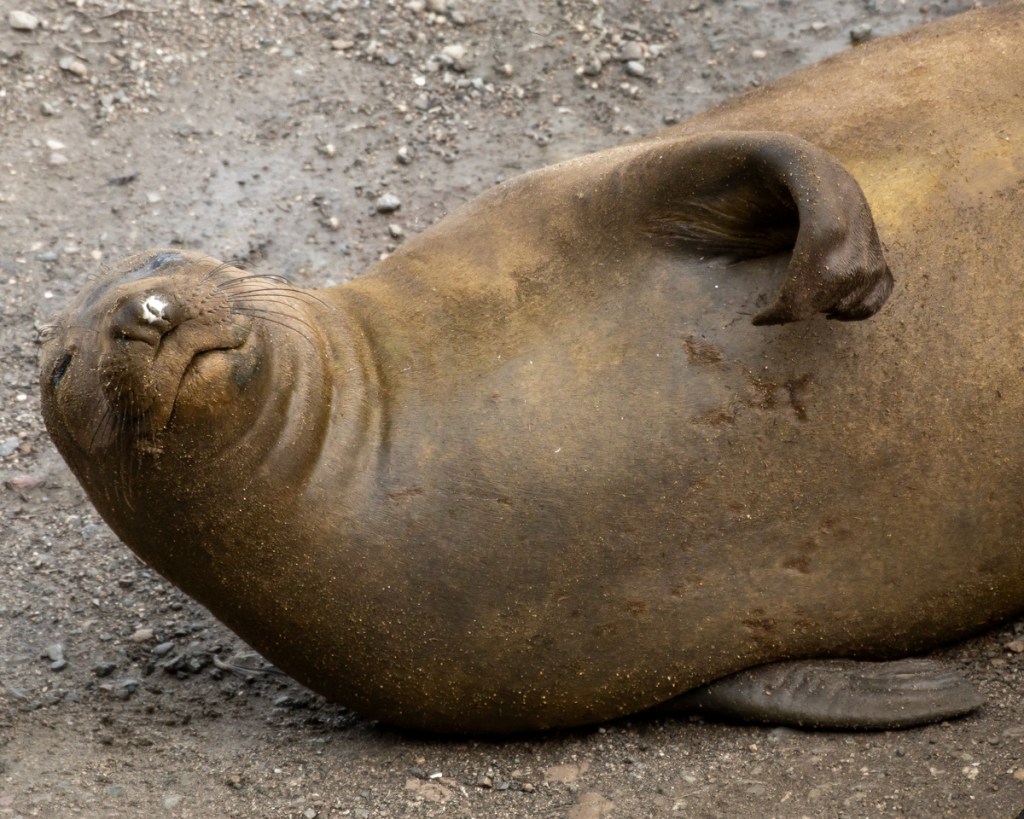
Point Reyes, a rugged stretch of Northern California coastline, offers breathtaking landscapes and a wealth of wildlife photography opportunities. Among its many inhabitants, the elephant seals that haul out along the rocky shores and beaches present an interesting subject for photographers. Although they are mostly static and rarely do anything dynamic, capturing these marine mammals requires patience, the right equipment, and an understanding of their behavior.
When and Where to Find Elephant Seals
Elephant seals can be spotted at Point Reyes year-round, but their numbers peak in the winter months. Chimney Rock and Drakes Beach are among the best locations to observe them. These areas offer accessible vantage points where you can photograph elephant seals basking in the sun, interacting in groups, or diving into the crashing waves.
Gear and Settings for the Best Shots
To photograph elephant seals effectively, consider the following gear and settings:
- Telephoto Lens: A 200-500 mm will allow you to capture detailed shots while maintaining a respectful distance.
- Fast Shutter Speed: a shutter speed of at least 1/1000s will help freeze the movements of elephant seals and also compensate for the long focal length of the lens.
- Aperture and ISO: A wide aperture (f/5.6 or lower) will create a soft background, while an ISO of 400-up ensures clarity in changing light conditions.
- Tripod or Monopod: Helps stabilize your shots, especially when using long focal lengths.
Ethical Wildlife Photography
Respect for wildlife is paramount. Because of clueless idiots approaching elephant seals to pet them, feed them or getting too close to them to take cell phone photos, the park now closes Drakes Beach and occasionally other beaches during elephant seals mating and nursing seasons. This not only protects the animals, but also the people who don’t understand that elephant seals are wild and potentially dangerous. Follow these guidelines to ensure a responsible experience:
- Keep Your Distance: Never approach too closely. Use your zoom to get detailed shots.
- Observe Without Disturbing: Avoid making loud noises or sudden movements that could stress the animals.
- Follow Park Regulations: Stay on designated trails and respect closures to protect wildlife habitats.
Composing tips
To make your elephant seal photos stand out:
- Capture Interactions: Look for moments of play, vocalization, or bonding between individuals.
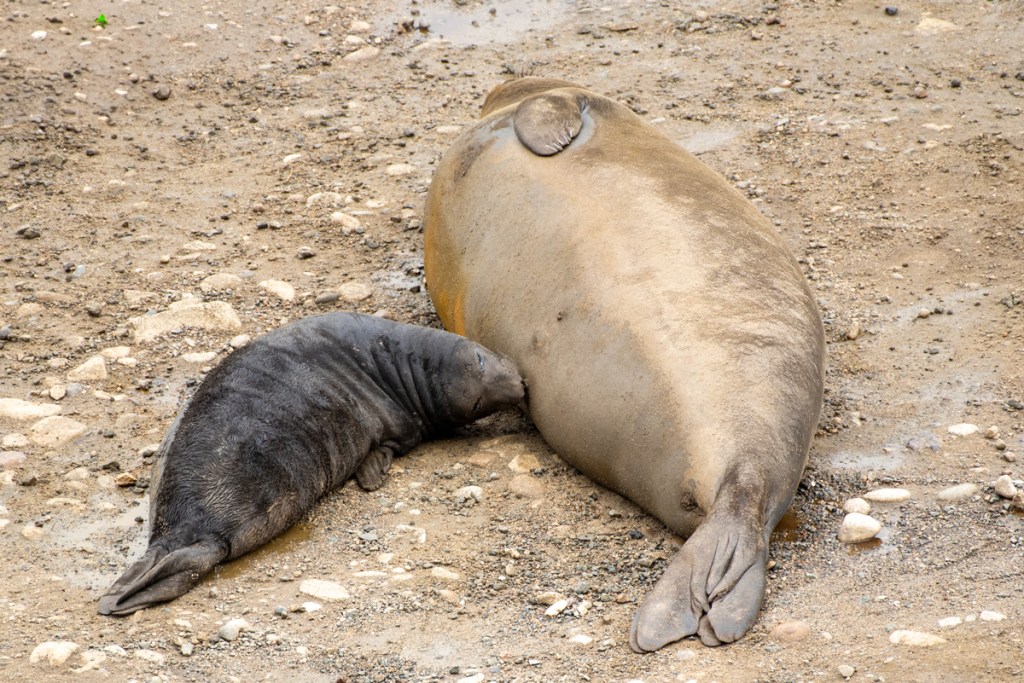
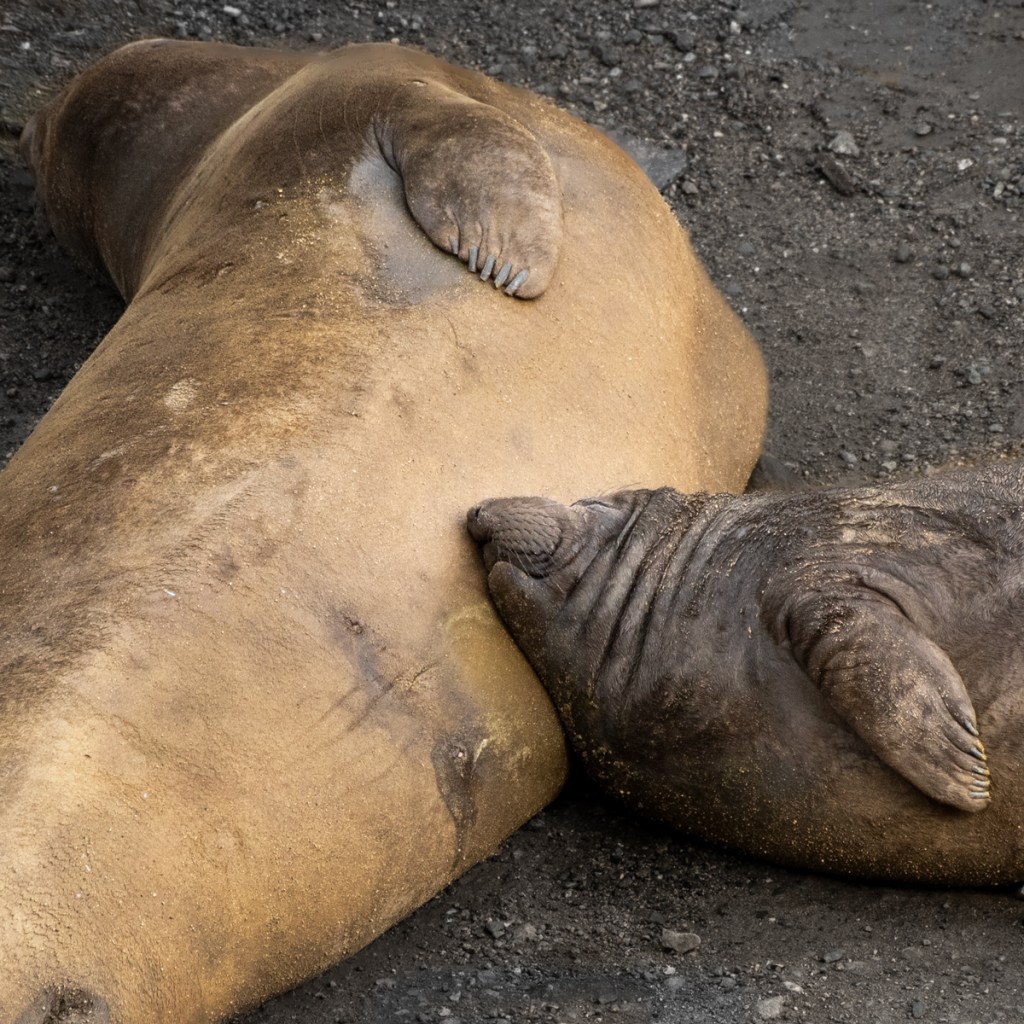
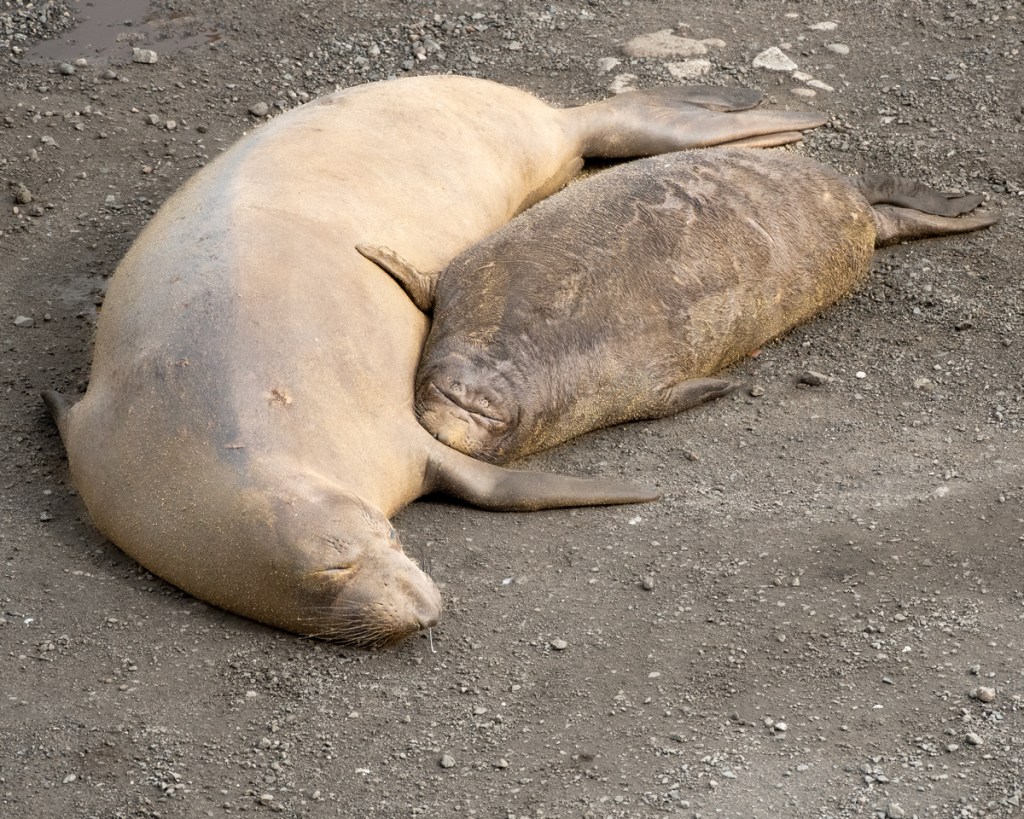
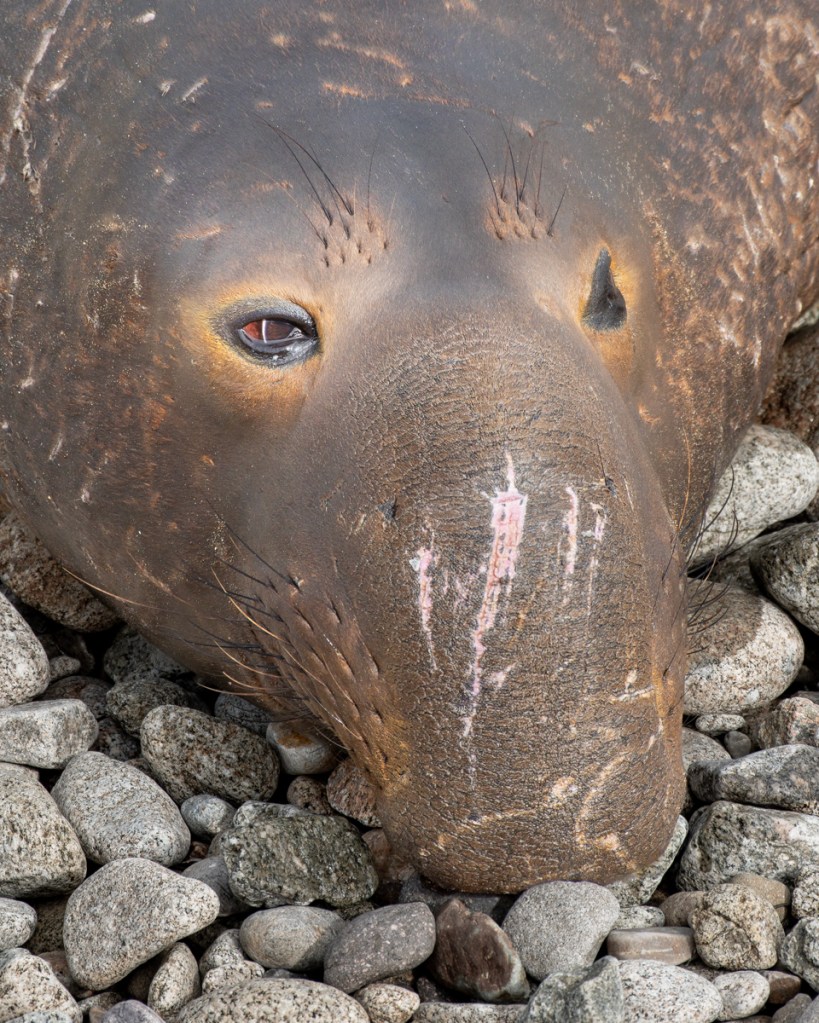
- Use Leading Lines: Rocks, waves, and shoreline curves can guide the viewer’s eye toward your subject. Within the same subject, look for lines, or the light, leading to the head, the eye or another part you want to emphasize
- Experiment with Perspectives: Try shooting at eye level for an intimate feel or from above to showcase the curves of the animal.

Making the Most of Your Visit
Timing your visit during golden hour (early morning or late afternoon) will enhance your shots with warm, natural lighting. Be prepared for unpredictable coastal weather by bringing layers, and always check tide conditions before heading out to coastal areas.
Photographing elephant seals at Point Reyes is a rewarding experience, blending the thrill of wildlife observation with the challenge of capturing candid images. With the right approach, you can create stunning photos that not only showcase the beauty of these creatures but also inspire others to appreciate and protect them.
______________________________
Wall Art landscapes and miscellaneous
________________________________


 It is all about the light
Leave a reply to Alessandra Chaves Cancel reply