The vision
As I wrote in my last post about the subject, I have a collection of photographs portraying California’s Sacramento Valley, which is the northern portion of the Central Valley. This collection is all in black and white.
In my previous posts, I’ve aimed to provide some tips and guidelines on composition. I noted that photographing the Central Valley landscape is challenging due to its limited redeeming beauty and anchor points. In this post, I show an image composed over a Fibonacci spiral.
The photoshoot
On July 7, 2023, I went to the Rush Ranch in Fairfield. I usually only go there in the winter and spring, when the grass is green and I can achieve greater contrast in my black and white images (I can make the green all the way from white to black using the black and white slides in PS, Lightroom).
The morning was cloudy, and the light was good. During my visit, I noticed that the temporary pond in the field was still drying out and receding after the long, rainy winter of that year. The grass surrounding the pond remained green, contrasting with the golden grass in the surroundings, and the mud around the pond was cracking.
The FEATURED PHOTOGRAPH (f/13, 1/640s, ISO 320) is composed over a Fibonacci spiral, which appears frequently in nature, architecture, and art, making it a familiar and aesthetically pleasing structure.


The Fibonacci spiral as a composition technique
In photography, the Golden Ratio and the Fibonacci Sequence serve as powerful compositional tools that create visually harmonious images. The Golden Ratio (φ ≈ 1.618) is often used to position subjects in a way that naturally guides the viewer’s eye, similar to the Rule of Thirds but with a more organic balance. Photographers use phi grids or golden spirals, derived from the Fibonacci sequence, to place focal points at aesthetically pleasing locations within the frame. The Fibonacci Spiral, which closely resembles the nautilus shell, can be overlaid on an image to direct attention along a natural, flowing curve, enhancing depth and movement. Many iconic photographs, from landscapes to portraits, subtly incorporate these principles to achieve a composition that feels both intentional and visually engaging.
Post-processing tips
When I take an image with black and white conversion in mind, I look for richness in color, particularly primary colors. The image below is rich in yellow, blue, and red, the three primary colors (although yellow and red are mixed throughout the image).
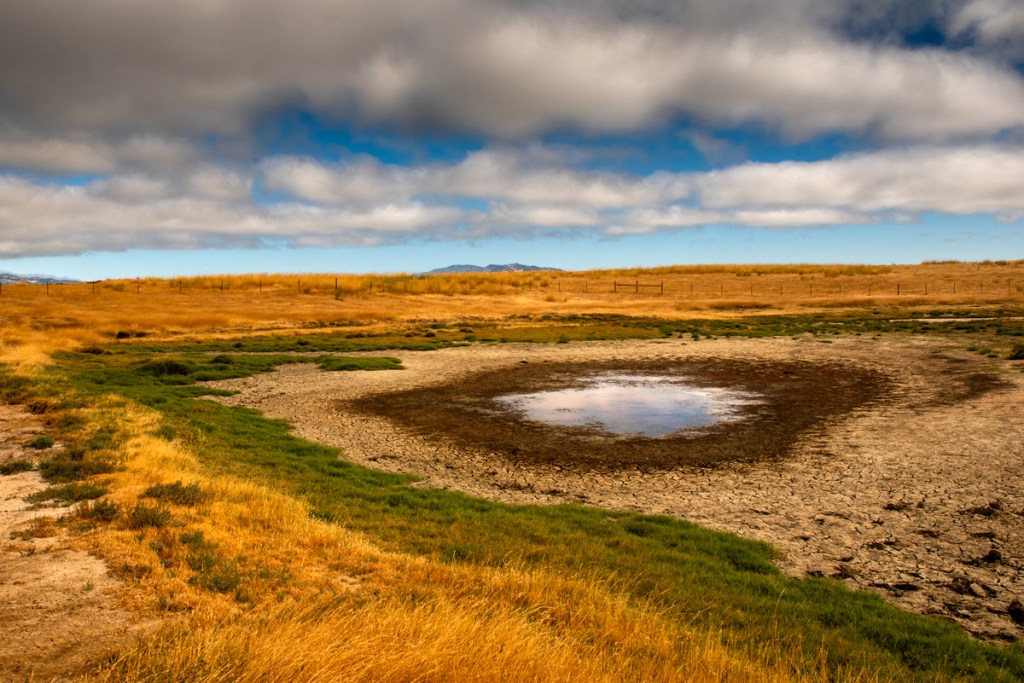
In a previous post, I addressed black and white conversion and pointed out three methods: grayscale conversion, channel mixing, and adjusting presets. Look below at the results from the photoshop preset “default”.


Now, as seen in the feature image, with my adjustments to the preset above:

The reason for these adjustments is purely personal preference:I usually play with the sliders until I’m satisfied with the results.
Three other images from this blog calling the Fibonacci sequence
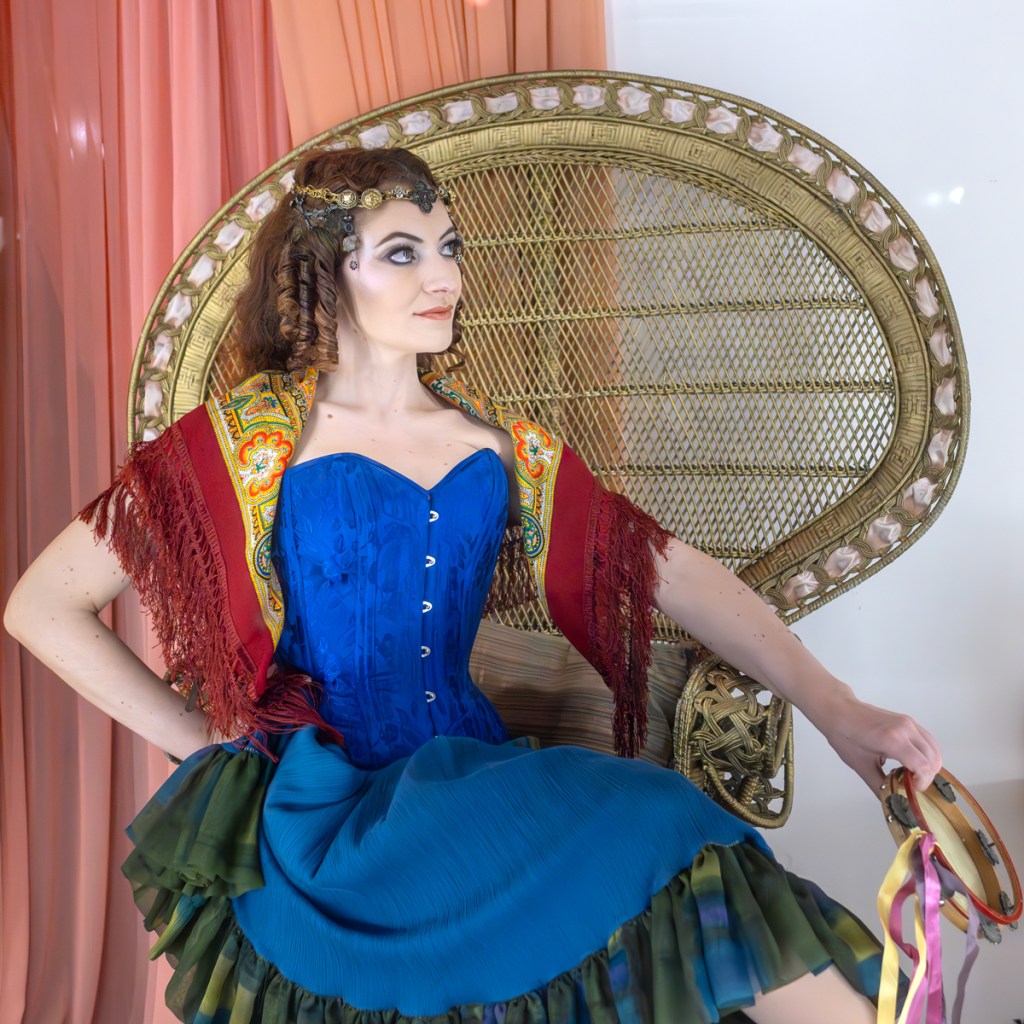
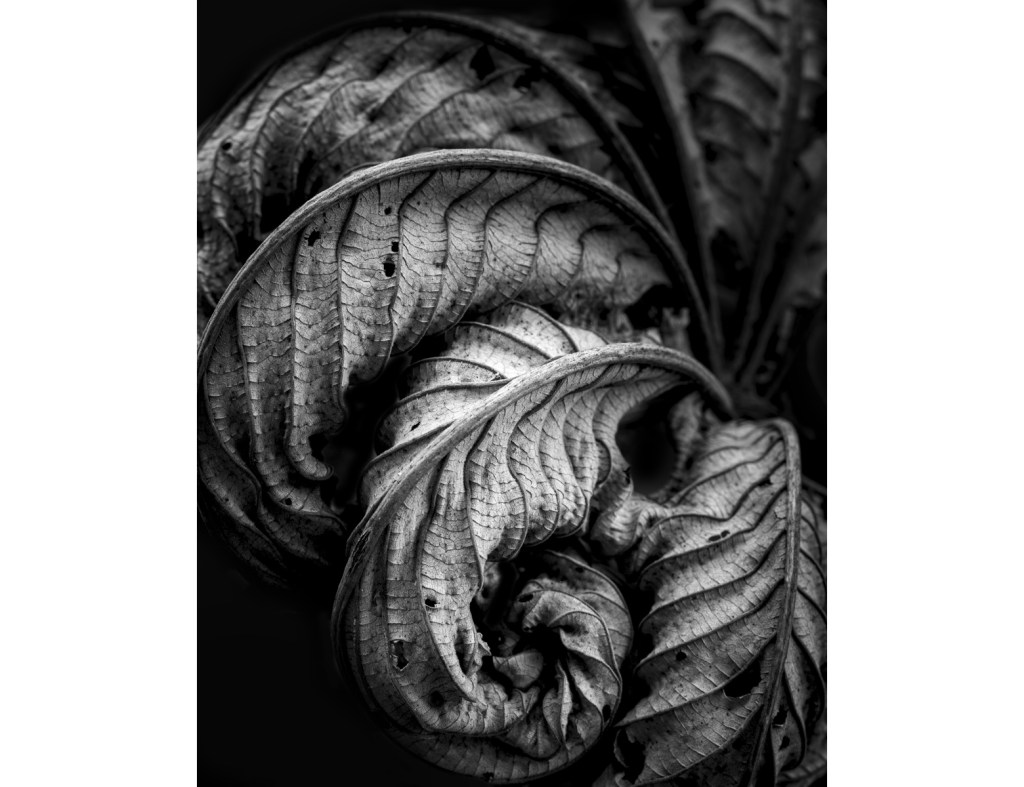
Although they don’t pertain to landscape, I thought it would be fun to call attention over a few previous images in this blog I used the Fibonacci sequence in my composition.

Previous posts about the collection
- The gate is locked – the beauty and bleakness of California’s Central Valley- a new project;
- The beauty and bleakness of California’s Central Valley- part two;
- The beauty and bleakness of California’s Central Valley- part three;
- The beauty and bleakness of California’s Central Valley- part four;
- The beauty and bleakness of California’s Central Valley- part five;
- The beauty and bleakness of California’s Central Valley- part six;
- Winter photography in Butte County: Another image from the Gray Lodge Wildlife Area;
- Winter photography in Colusa County: Sacramento Wildlife Refuge and migratory birds.;
______________________________
Wall Art landscapes and miscellaneous
________________________________


 It is all about the light
Leave a comment