Photographing in low light in the era of AI denoise: Great Dickens Christmas Fair

Published by

on

The Dickens Fair

The Dickens Fair is a vibrant, immersive holiday event that brings the world of Charles Dickens’ Victorian England to life. Set in a sprawling recreation of 19th-century London, it offers visitors an enchanting mix of costumed performers, themed shops, lively entertainment, and traditional food and drink. Guests can wander cobblestone streets filled with characters like Ebenezer Scrooge and carolers, enjoy theatrical performances, or participate in festive dances. Whether savoring a cup of mulled cider or browsing handcrafted gifts, the fair captures the warmth and wonder of the holiday season, making it a cherished tradition for all ages.

Photography at the Dickens Fair

The event presents unique challenges: low light, mixed lighting, and crowded scenes.

My go-to gear for the festival has been the Nikon Z50 paired with the Z Dx 16-50mm f/3.4-f/6.3 kit lens. In a previous post, I explained my preference for the Z50, particularly for its compact size and discreet design. The kit lens, however, isn’t adequate for low-light conditions,

This year, I tried something different: instead of taking the kit lens, I took my Nikkor Z 24mm f/1.8, an excellent prime lens. On the Nikon D50, which is a crop sensor camera, the focal length of this lens is 36mm.

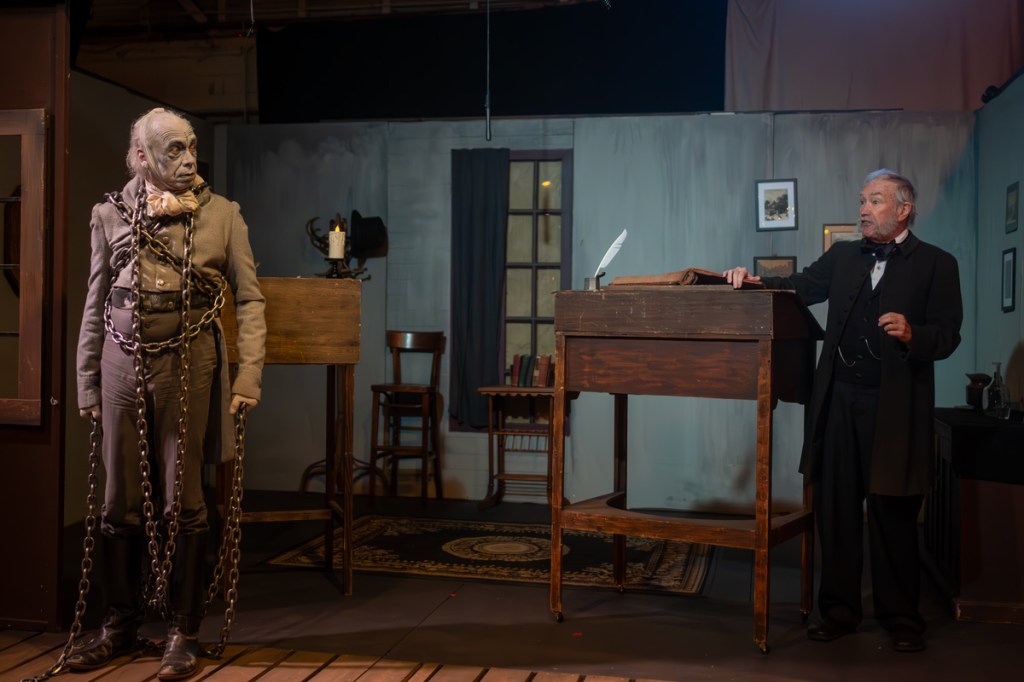
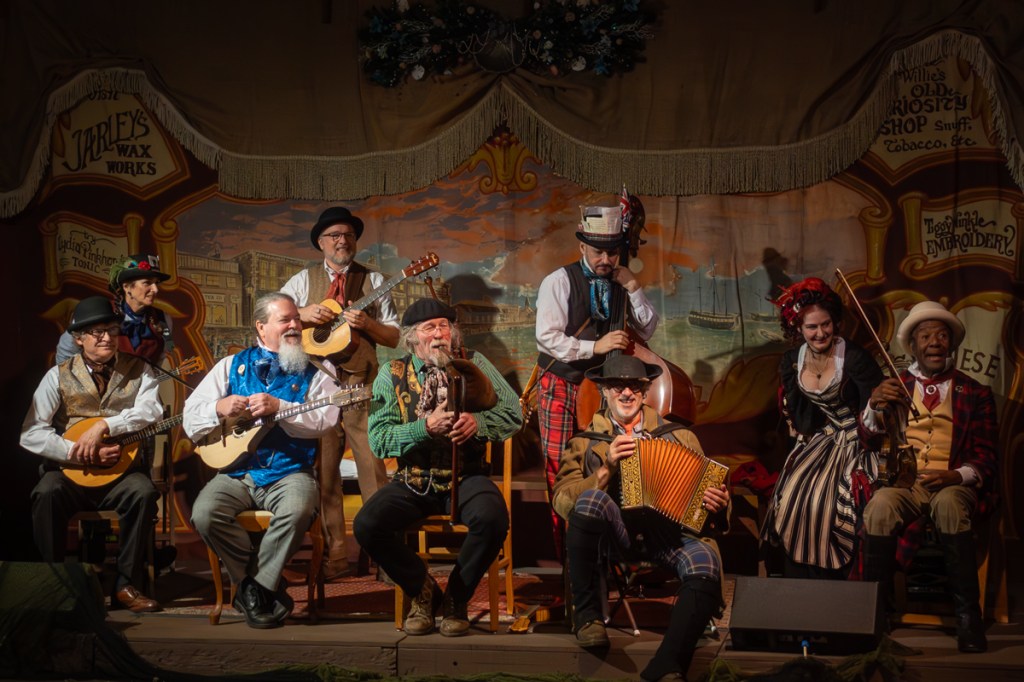
Thanks to modern advancements in artificial intelligence, noise is no longer a major limiting factor in photography. For the photos below, I used f/1.8 and ISO settings between 1,250 and 2,000, while maintaining a shutter speed of around 1/60. The images, which were noisy, benefited from Adobe Camera Raw’s AI-assisted denoise. The results are impressively clean, and acceptably sharp.

Click on the images to see them larger.
Shooting wide open-a few tips

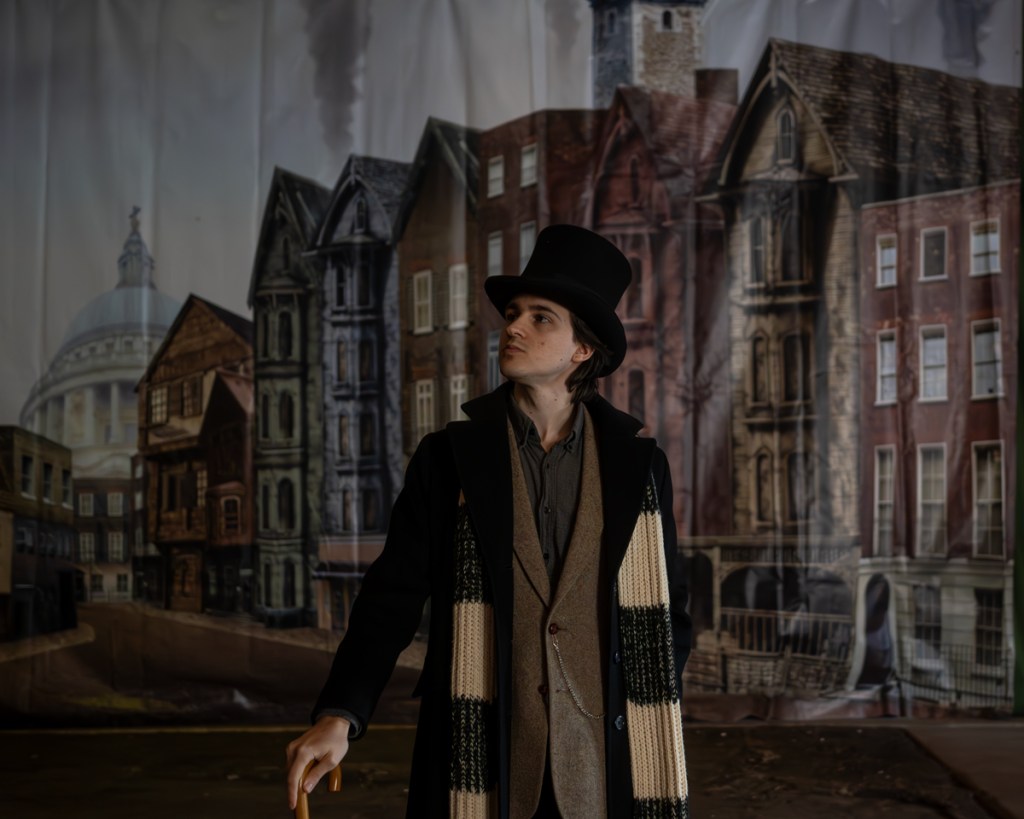
One thing to keep in mind when you are shooting wide open is that you will not have much depth of field (D.O.F.). Stepping away then cropping will give you more D.O.F. than trying to photograph from close. When photographing a person, focus on the eye closest to the camera, and when photographing groups of people, or objects, focus on those in the foreground. It is more natural to observe things going gradually out of focus, than to have the background elements in focus while the foreground is out.

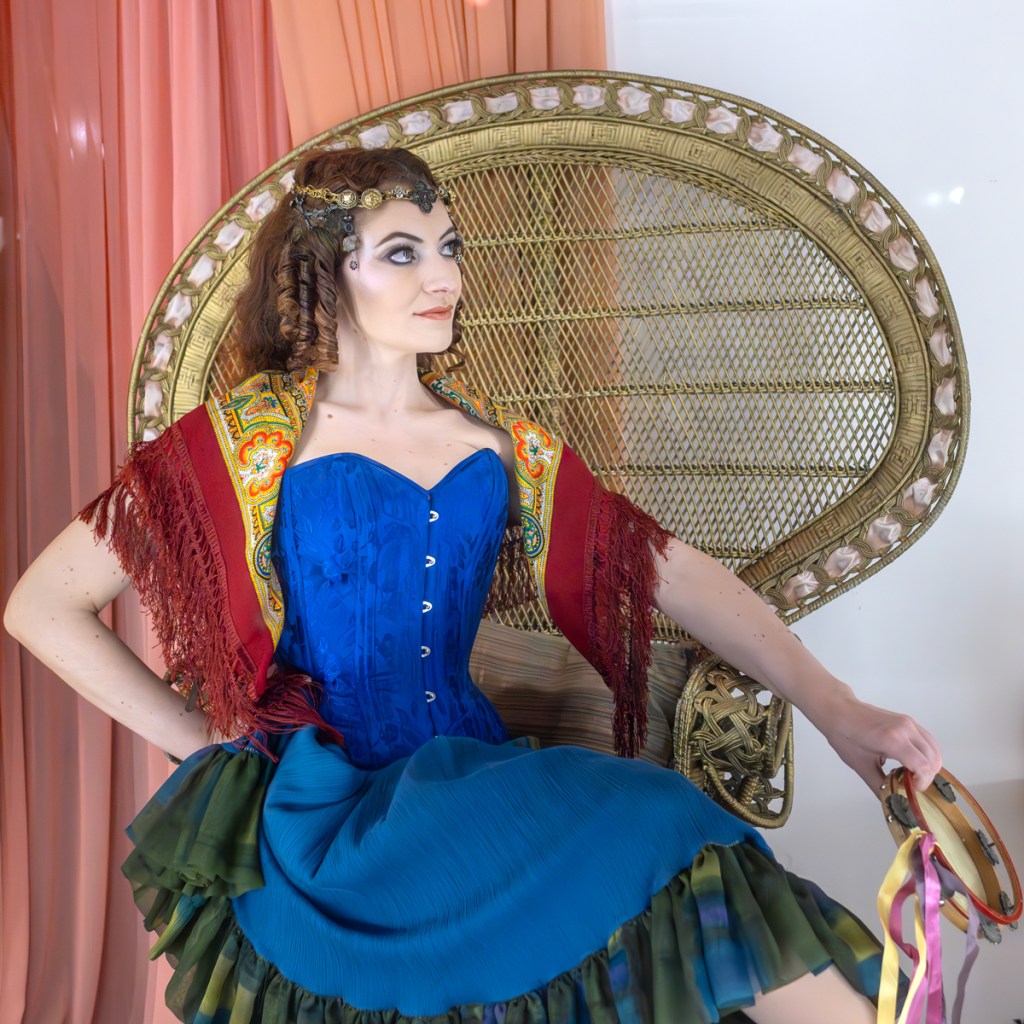
The FEATURED IMAGE portrays a live model inside the window of a shop. Note that for the times, she had a lot of skin showing, and that she is showing a portion of her leg, something that, during the Victorian era (1837–1901), was considered taboo .

______________________________

Wall Art Botanical Images

Wall Art Photography projects

Wall Art landscapes and miscellaneous

________________________________

21 responses to “Photographing in low light in the era of AI denoise: Great Dickens Christmas Fair”

  1. alneyman Avatar
    alneyman

    Nice artic

    Liked by 1 person

    1. Alessandra Chaves Avatar

      Thank you.

      Liked by 1 person

  2. Steve Schwartzman Avatar

    You raise the good point that modern re-creations of past eras are sometimes anachronistic. In modern movies set in past times in the United States I’ve sometimes caught characters speaking words or phrases that I know weren’t used back then.

    A long time ago I sometimes used an f/1.4 lens. It sure did have a shallow depth of field when it was wide open.

    Liked by 2 people

    1. Alessandra Chaves Avatar

      I thought I had replied to this. What happened to your lens? Sometimes I photograph plants with a f/1.4 aperture.

      Liked by 1 person

      1. Steve Schwartzman Avatar

        That f/1.4 lens belonged to my first SLR (single lens reflex) camera, a Pentax Spotmatic. It was 50 years ago, and I haven’t used anything but digital cameras for the past two decades.

        Liked by 1 person

  3. shoreacres Avatar

    To prove how far behind the curve I am, I’ll confess that when I read ‘AI denoise,’ I interpreted it as a proper name: Al Denoise. I wasn’t familiar with him, but thought he might have been a star of French film noir.

    Liked by 3 people

    1. Alessandra Chaves Avatar

      😂

      Liked by 2 people

  4. Klausbernd Avatar

    Dear Steve
    We think it’s important to get the mood right. That means fulfilling the expectations of the perceivers. This is more important than getting it perfect in the historical sense. Actually, we write here about projections, the projection of an educated historian vs the projections of the ‘normal’ visitors of such a show.
    In a research group at my German university, we researched the perception of historical films. For people to like the artefact and get an idea of the time when it is set, it matters that the mood is right. This depends on the projections of the receiver and not on 100% correct details.
    Thanks Alessandra and Steve
    The Fab Four of Cley
    🙂 🙂 🙂 🙂

    Liked by 2 people

    1. Alessandra Chaves Avatar

      It is true that re-enactors don’t have to be 100% accurate.

      Liked by 2 people

    2. Steve Schwartzman Avatar

      You raise a good point. I can forgive an anachronistic word or phrase, especially if the screenwriter is young and doesn’t realize the word or phrase is relatively recent. In contrast, there’s a real problem with what has been called “presentism,” when the makers of a film take their own values from today and impose them, along with modern judgments, on people in earlier eras. Coincidentally, just last night on television we watched the 1971 movie “The Go-Between,” based on L.P. Hartley’s novel of the same name, which famously begins: “The past is a foreign country: they do things differently there.”

      Liked by 2 people

      1. Klausbernd Avatar

        Dear Steve
        We agree with you. To interpret the past with present ideas doesn’t work neither in film nor in literature.
        Funny that you quote “The Go-Between”. This film was filmed just a few miles from where we live. We like this quote.
        The Fab Four of Cley
        🙂 🙂 🙂 🙂

        Liked by 2 people

  5. stuartshafran Avatar

    I love the painterly feel of these images, the lighting in some of them is exquisite!

    Liked by 2 people

    1. Alessandra Chaves Avatar

      It was dark in there. Only mixed artificial light.

      Liked by 2 people

  6. Alessandra Chaves Avatar

    What happened to the lens?

    Liked by 1 person

  7. tierneycreates: a fusion of textiles and smiles Avatar

    Wonderful low light photographs. They do seem painterly!

    Liked by 2 people

    1. Alessandra Chaves Avatar

      Thank you, I think it’s the mixed light sources from the setting.

      Liked by 2 people

  8. howg2211 Avatar
    howg2211

    This reminds me of the Renaissance Fair we have here in the summer. I haven’t photographed it in a couple years but seeing these photos I am going to have to next summer.

    About the anachronisms and portrayal of time. It’s interesting that’s been mentioned. I’m currently reading 11/22/63 by Stephen King and he’s very careful about that when the main character travels back in time. I’ve never read him before and the story is quite good!

    Liked by 2 people

    1. Alessandra Chaves Avatar

      I never have, but I heard that he’s a great writer

      Like

  9. Caleb Cheruiyot Avatar

    Nice!

    Liked by 1 person

    1. Alessandra Chaves Avatar

      Thanks 🙏

      Like

  10. Shooting the Dickens Fair with the Nikon Z50 and 40mm f/2: A Low-Light Delight – It is all about the light Avatar

    […] In a previous post, I explained my preference for the Z50, particularly for its compact size and discreet design. The kit lens, however, isn’t adequate for low-light conditions, hence the addition of the Z40 to my equipment list was a winner. And last year, I posted about photographing the fair with my Nikkor Z 24mm f/1.8. […]

    Like

Leave a reply to Alessandra Chaves Cancel reply

Discover more from It is all about the light

Subscribe now to keep reading and get access to the full archive.

Continue reading