As of the fourth quarter of 2024, Americans collectively held approximately $1.211 trillion in credit card debt. The average credit card balance per household stood at $6,380 during the same period. Although inflation is currently stable, everyone is complaining about the costs of groceries and goods, which have risen sharply since the pandemics. It’s time to save money.
If you have followed this blog for a while, you know I’m not into consuming photography equipment. On a previous post, I explained that I dropped my Nikon Z50 and decided to buy another one, keeping in mind portability and affordability.
Constantly upgrading photographic cameras is a good way to waste resources. As much as we would like to believe that it’s a necessary expense, a new toy is usually not worth the investment because advancements in camera technology often yield only marginal improvements over previous models. Modern cameras, even those several years old, already offer exceptional image quality, resolution, and dynamic range that surpass the needs of most photographers.
In a market flooded with ever-evolving mirrorless and DSLR options, the Nikon D750 remains a standout. Released in 2014, this full-frame DSLR is still a favorite among photographers for good reason. While newer models boast higher megapixel counts, faster burst rates, and more advanced autofocus, the D750 offers a balance of performance, reliability, and affordability that many modern cameras struggle to match. Here’s why the D750 is still a great choice over newer, more expensive options.
1. Unmatched Image Quality for the Price
The D750’s 24.3MP full-frame sensor delivers outstanding dynamic range, excellent low-light performance, and beautiful color rendering. Unless you need ultra-high resolution for massive prints, the difference between the D750 and newer cameras with more megapixels is often negligible in real-world use.
2. Superb Low-Light Performance
With an ISO range of 100-12,800 (expandable to 51,200), the D750 handles low-light situations exceptionally well. Its sensor is known for clean images at high ISOs, making it a great choice for event, wedding, and landscape photography. Many newer cameras push ISO higher, but the practical usability of those extreme settings often doesn’t improve significantly.
3. Excellent Autofocus System
The D750’s 51-point autofocus system, with 15 cross-type sensors, remains fast and reliable. While newer models might have more autofocus points, the D750’s system is still more than capable for most photography needs, including sports and wildlife. Many photographers prefer its consistent performance over newer mirrorless systems, which can sometimes struggle in low-light or fast-moving scenarios.
4. Ergonomics and Battery Life
The D750 is known for its comfortable grip and well-balanced body, making it a joy to use for extended shoots. Unlike many mirrorless cameras that drain batteries quickly, the D750’s battery life is exceptional—up to 1,230 shots per charge. If you don’t want to carry extra batteries everywhere, this is a huge advantage.
5. Dual Card Slots for Reliability
Unlike some newer models that have cut down to a single card slot, the D750 features dual SD card slots. This is crucial for professional photographers who need redundancy when shooting weddings, events, or any irreplaceable moments.
6. Affordable and Proven Durability
The D750 is built to last. It has weather sealing, a robust magnesium alloy body, and a long track record of reliability. I’ve dropped it, taken it in the rain. It’s trooper, Best of all, because it’s an older model, you can now find it at a fraction of the cost of newer full-frame cameras while still getting top-tier performance. Compare the 1,495 U$ for a D750 with the price for a a new 30MP D850 (2,000 U$), a 45.7MP Z8 (3,200 U$) or a 45.7MP Z9 (5,200 U$).
7. A Huge Selection of Affordable Lenses
Unlike some newer mirrorless systems that require expensive new lenses, and consistent with other DSLRs, the D750 is compatible with Nikon’s extensive lineup of F-mount lenses, many of which are affordable on the used market. This makes it easier to build a high-quality kit without spending a fortune.
Why Upgrade If You Don’t Need To?
Newer cameras may have fancy features like eye-detection autofocus, 8K video, and faster burst rates, but ask yourself—do you really need them? For many photographers, the D750 still delivers everything necessary for stunning images. Unless you have a specific need that your current gear can’t handle, upgrading might not bring a significant improvement to your work.
Final Thoughts
Instead of chasing the latest gear, photographers benefit more from mastering composition, lighting, and post-processing—skills that have a far greater impact on image quality than incremental hardware upgrades.The Nikon D750 remains one of the best all-around full-frame DSLRs ever made. Its combination of image quality, low-light performance, autofocus reliability, battery life, and affordability makes it a better investment than many of today’s higher-priced, feature-packed cameras. If you’re considering an upgrade, take a moment to ask yourself: do you really need it, or is the D750 still the perfect tool for the job?
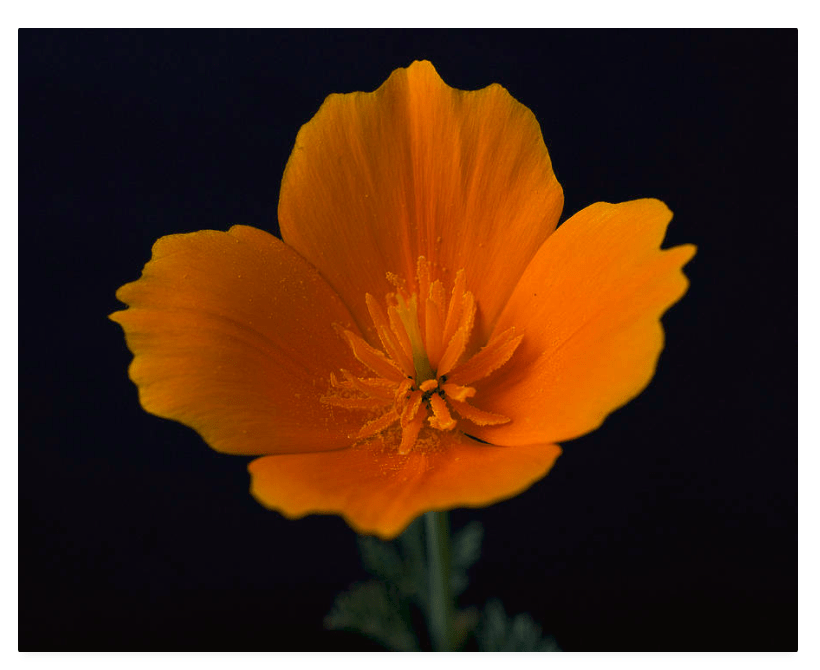
Since it’s the Spring, I offer below a sample of some of my favorite photos taken with the d750.











___________________
Wall Art landscapes and miscellaneous
________________________________


 It is all about the light
Leave a reply to Minimalism in Monterey, California – It is all about the light Cancel reply